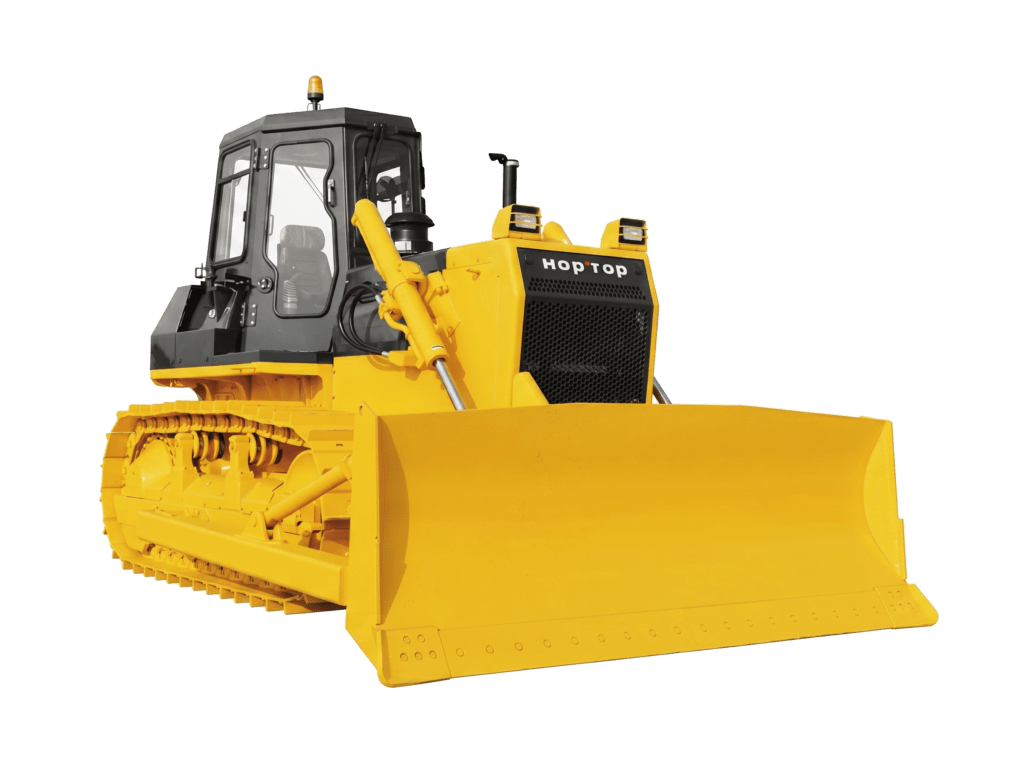
Purchasing a bulldozer is a long-term investment that directly affects construction efficiency, operating costs, and project profitability. Whether you are working in road construction, mining, forestry, landfill operations, or infrastructure development, selecting the right machine requires more than comparing horsepower or price.
A well-matched bulldozer provides higher productivity, lower fuel consumption, reduced maintenance costs, and a longer service life. This guide explains the most important factors to consider before purchasing a crawler bulldozer.
Understand Your Project Requirements
Before selecting a bulldozer, define the primary application.
Different working environments require different machine configurations.
Typical solutions, which are regarding from our previous clients, include:
- Mining
- Road Construction
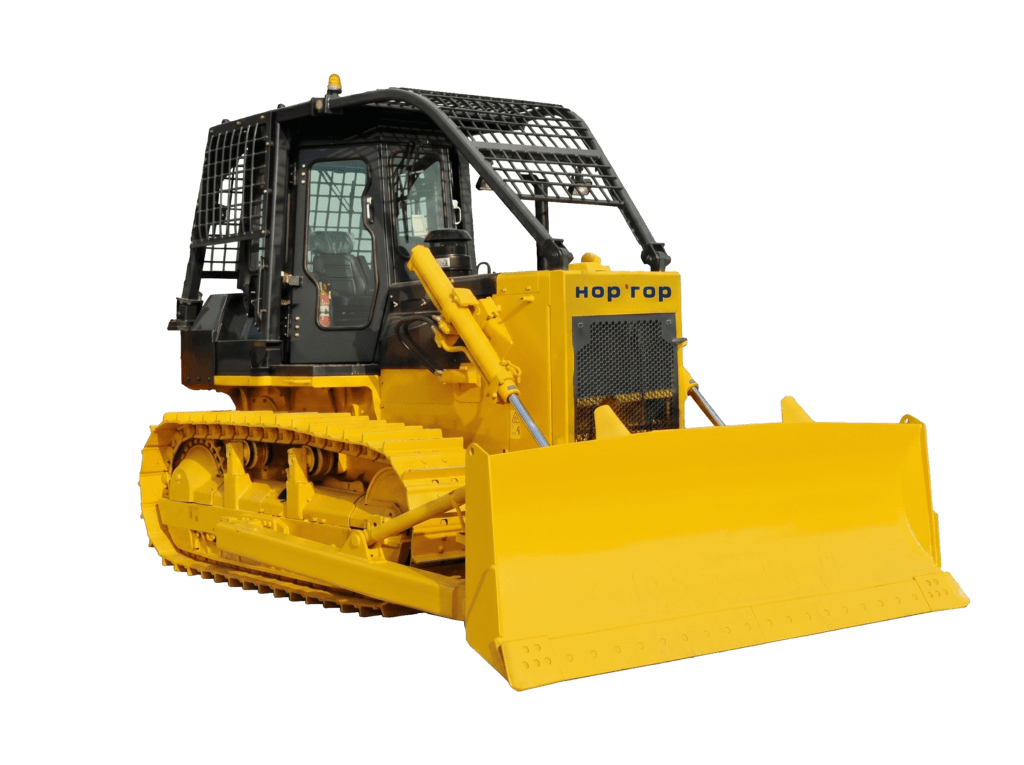
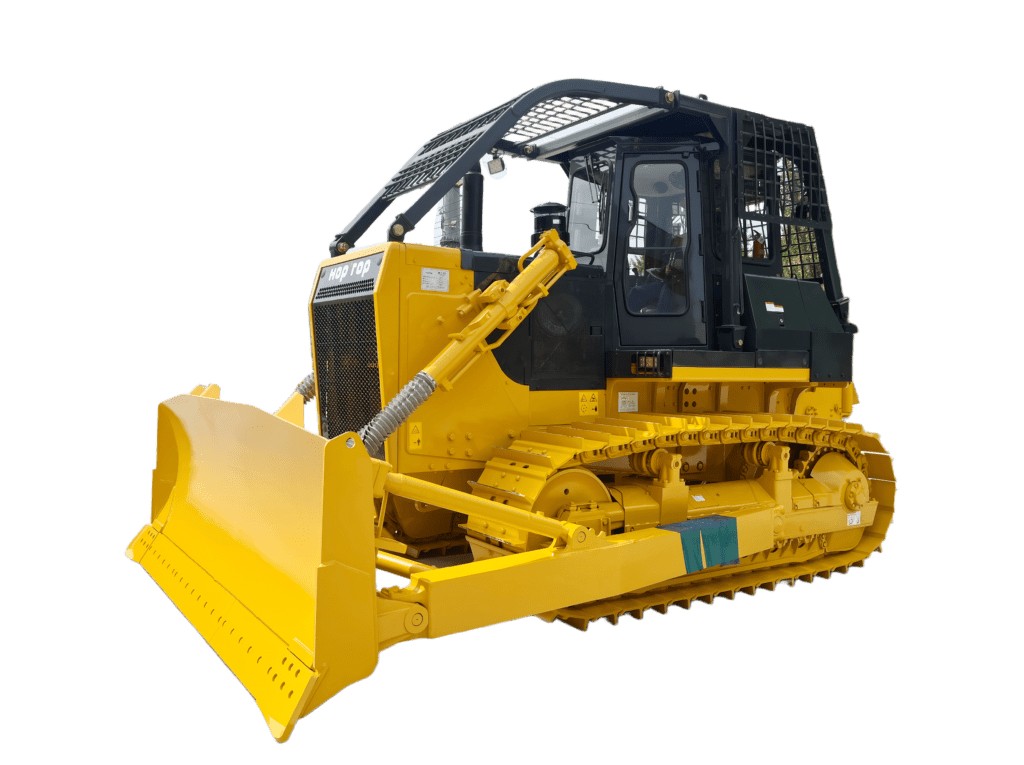
- Forestry
- Water Conservancy Project
- Farmland Construction
- Municipal Construction
- Landfill
- Gardening
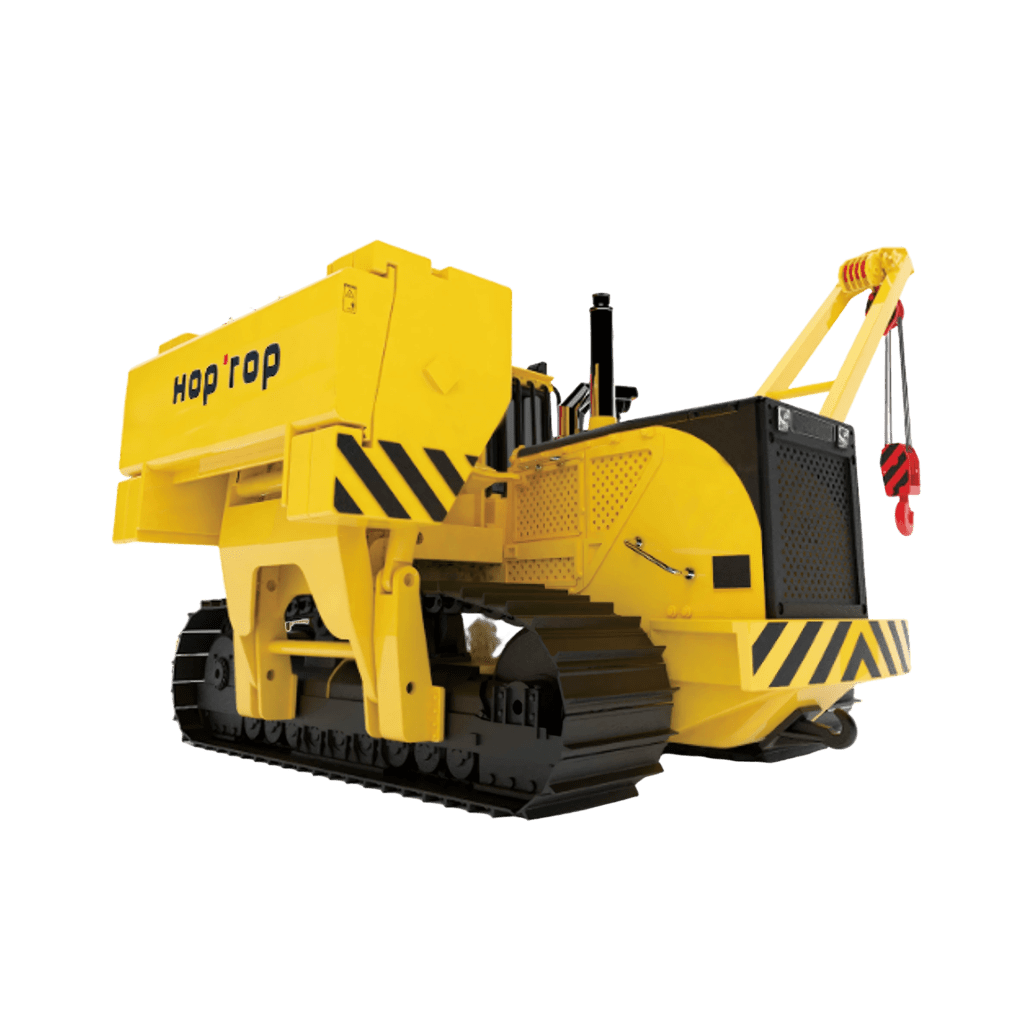
- Pipeline Construction
Each application places different demands on the engine, undercarriage, blade type, cooling system, and track configuration.
For example, a mining project usually requires a heavy-duty bulldozer with higher horsepower and reinforced components, while municipal projects often benefit from compact models that are easier to transport and operate.
Choose the Right Horsepower
Horsepower is one of the first specifications buyers compare.
General recommendations include:
130–170 HP
Suitable for:
- Municipal engineering
- Small road projects
- Farm development
- General earthmoving
- Forestry
180–260 HP
Suitable for:
- Highway construction
- Water conservancy projects
- Large earthmoving projects
- Infrastructure development
320 HP and Above
Recommended for:
- Mining
- Large open-pit projects
- Heavy ripping
- Continuous production work
Selecting a machine with excessive horsepower increases fuel consumption and operating costs, while an underpowered machine reduces productivity.
Select the Appropriate Blade
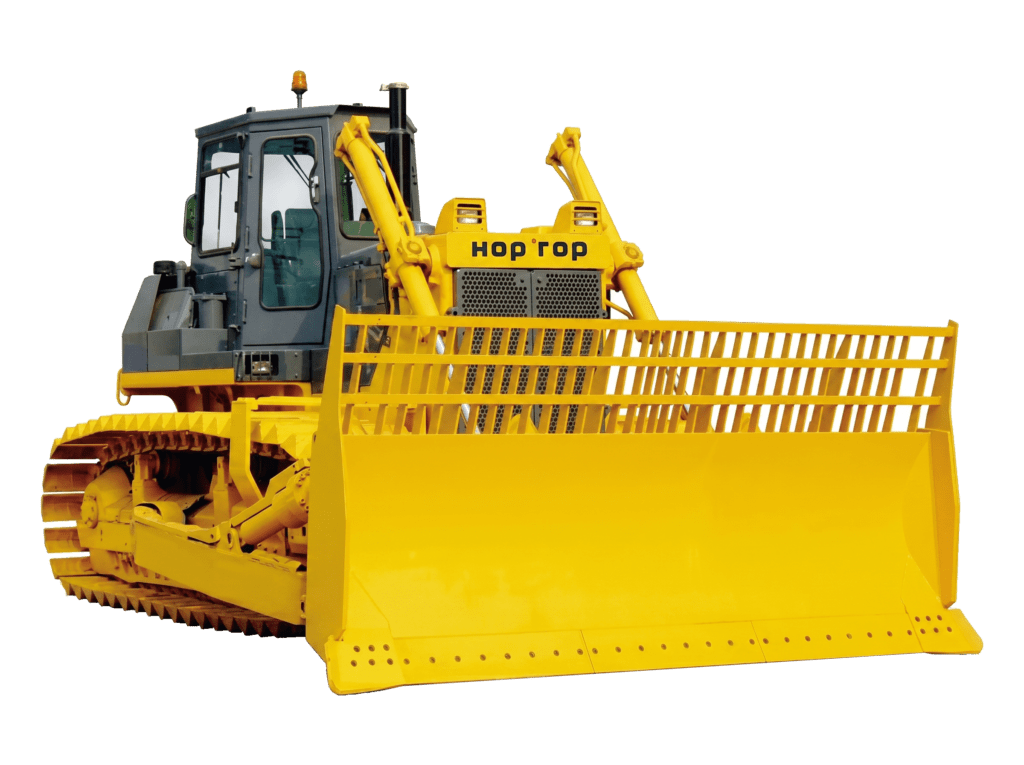
The blade is the bulldozer’s primary working tool.
Common blade types include:
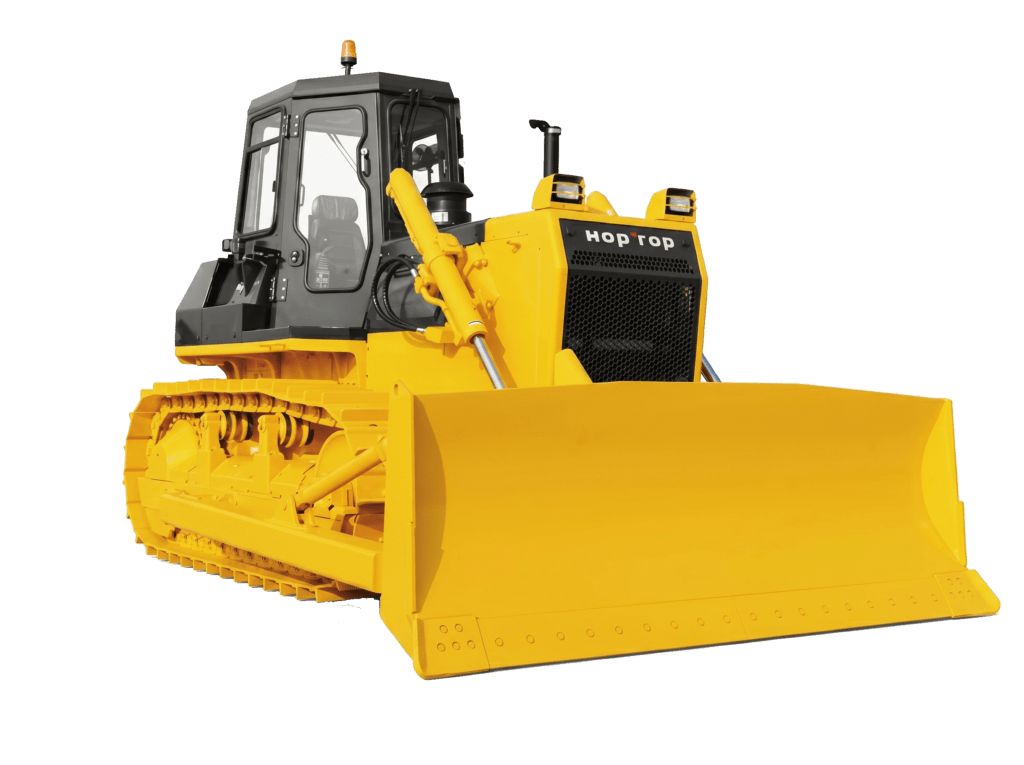
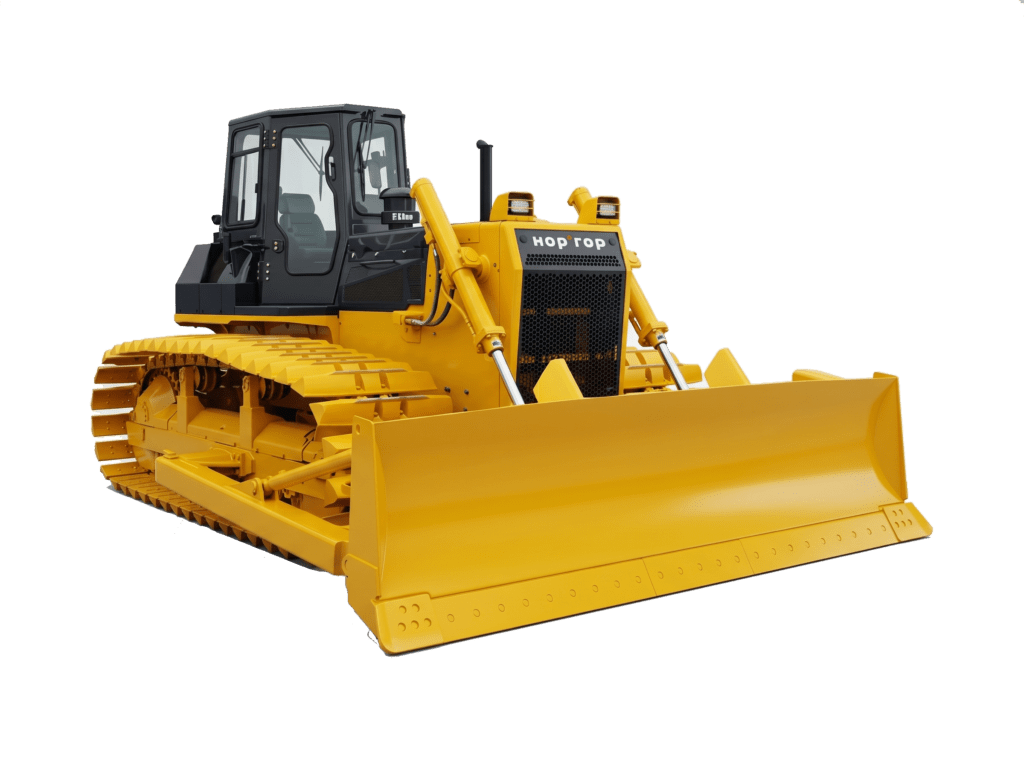
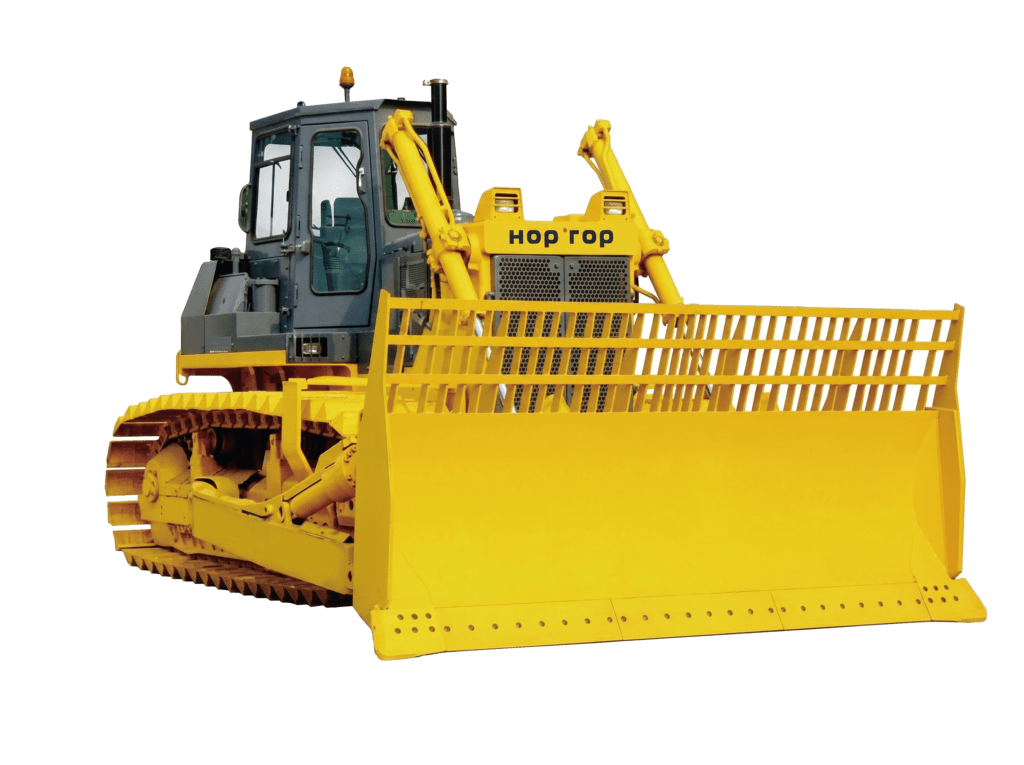
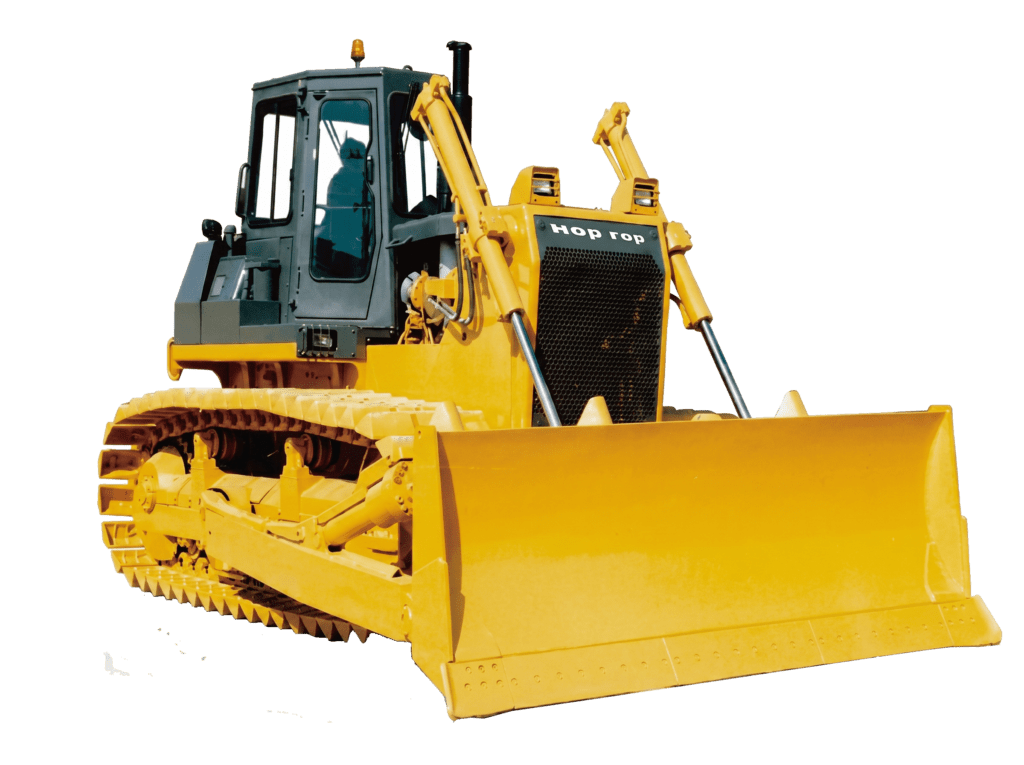
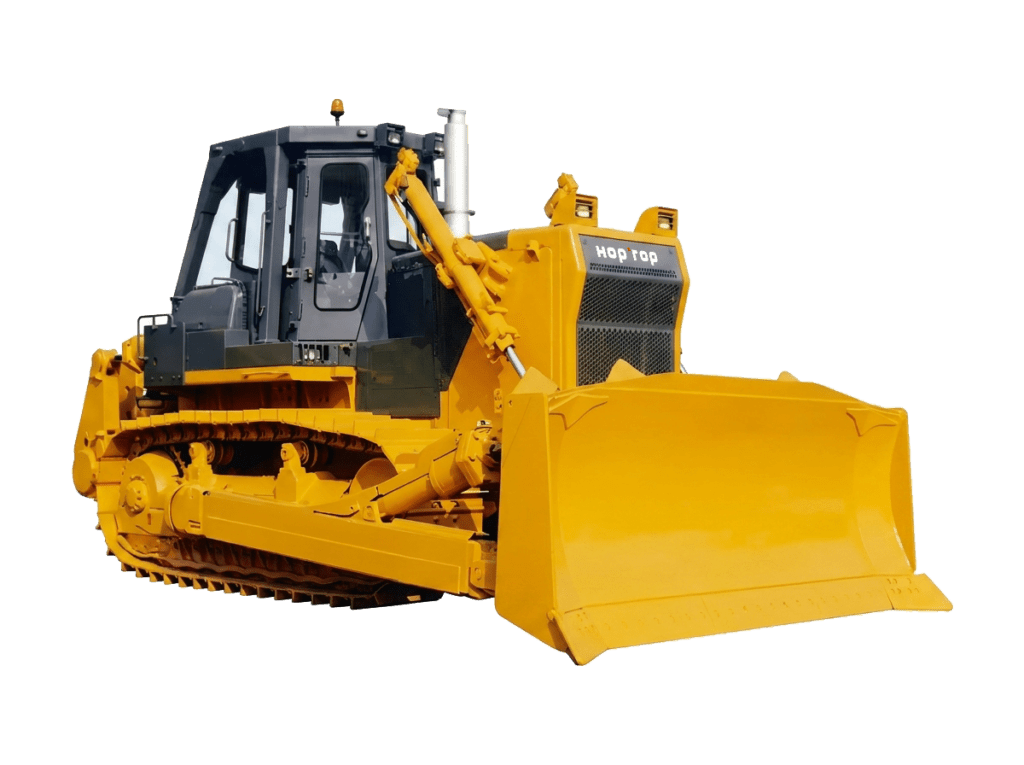
Straight Blade (S-Blade)
Advantages:
- High grading accuracy
- Excellent finish work
- Easy material control
Applications:
- Road grading
- Site preparation
- Fine leveling
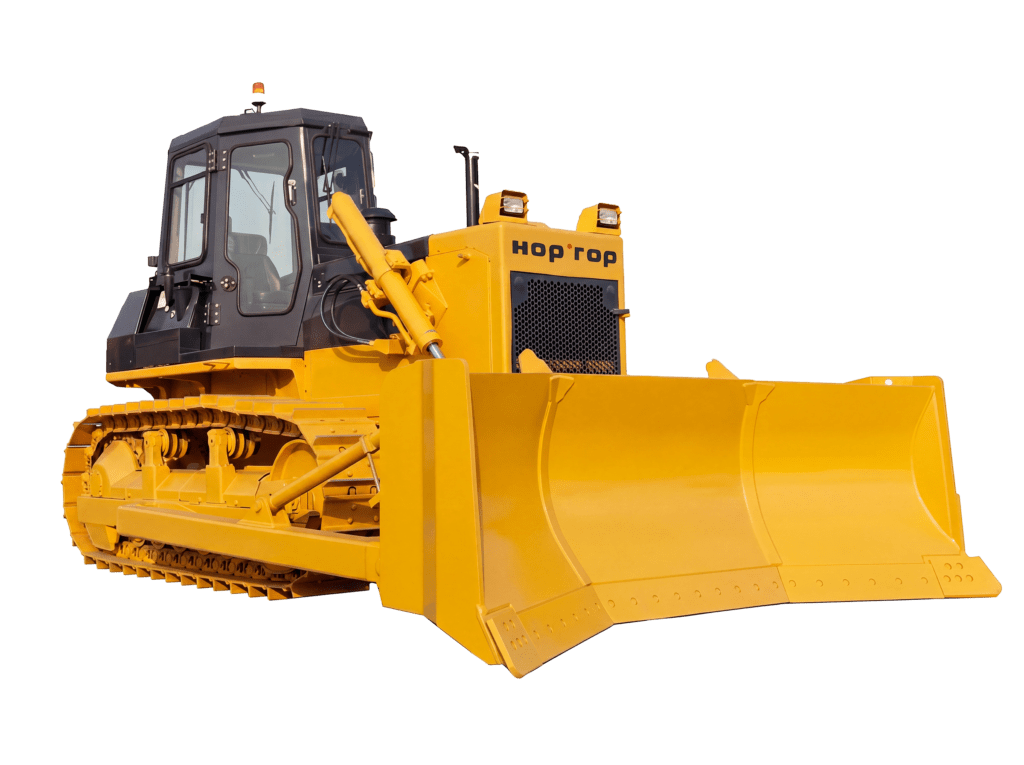
Universal Blade (U-Blade)
Advantages:
- Large capacity
- High productivity
- Long-distance pushing
Applications:
- Mining
- Bulk material handling
- Land reclamation
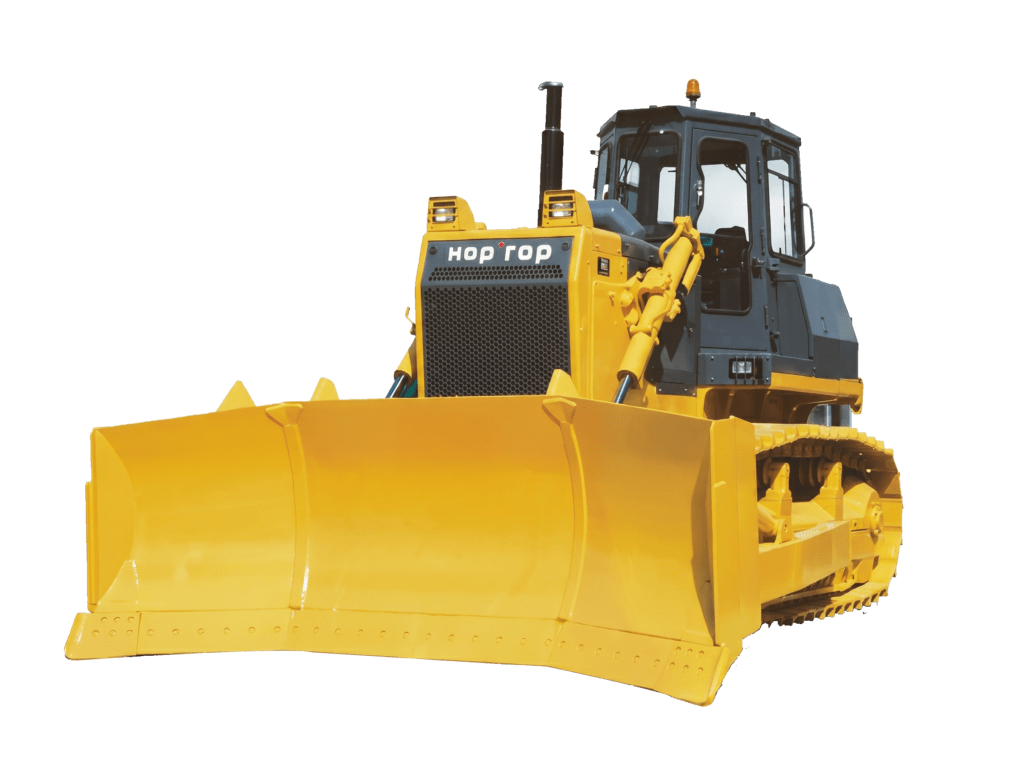
Semi-U Blade
Advantages:
- Balanced performance
- Better penetration
- Good versatility
Applications:
- General construction
- Quarry work
- Mixed working conditions
Evaluate the Undercarriage
The undercarriage represents one of the largest maintenance costs during a bulldozer’s lifetime.
Inspect:
- Track shoes
- Rollers
- Carrier rollers
- Idlers
- Sprockets
- Track chains
Working conditions significantly affect wear.
Rocky terrain accelerates undercarriage wear, while soft soil may require wider track shoes to reduce ground pressure.
Low Ground Pressure (LGP) models are recommended for swamp and soft ground applications.
Hydraulic System
A reliable hydraulic system ensures smooth blade lifting, tilting, and ripper operation.
When evaluating a bulldozer, pay attention to:
- Hydraulic response speed
- Pump reliability
- Hose quality
- Cylinder sealing
- Ease of maintenance
Stable hydraulic performance improves both operating efficiency and operator comfort.
Transmission System
Modern bulldozers generally use either hydrostatic transmission or power shift transmission.
Hydrostatic transmission offers:
- Smooth speed control
- Better fuel efficiency
- Easier operation
- Precise grading
Power shift transmission provides:
- Strong pushing force
- Excellent durability
- Lower maintenance cost
- Proven reliability for heavy-duty work
Choose the transmission type according to your working conditions and operator preferences.
Operator Comfort
Long working hours make cab design increasingly important.
Look for features such as:
- Air-conditioned cab
- Adjustable suspension seat
- Low noise levels
- Excellent visibility
- Ergonomic joystick controls
- Digital monitoring display
A comfortable operator is generally more productive and experiences less fatigue.
Spare Parts Availability
Before purchasing, confirm that the supplier can provide:
- Genuine spare parts
- Fast international shipping
- Technical support
- Maintenance manuals
- Online troubleshooting assistance
Reliable after-sales service reduces downtime and protects your investment.
Consider Total Ownership Cost
The purchase price is only one part of the total investment.
Evaluate:
- Fuel consumption
- Maintenance intervals
- Spare parts costs
- Machine lifespan
- Resale value
- Warranty coverage
A machine with a slightly higher purchase price may offer significantly lower operating costs over its lifetime.
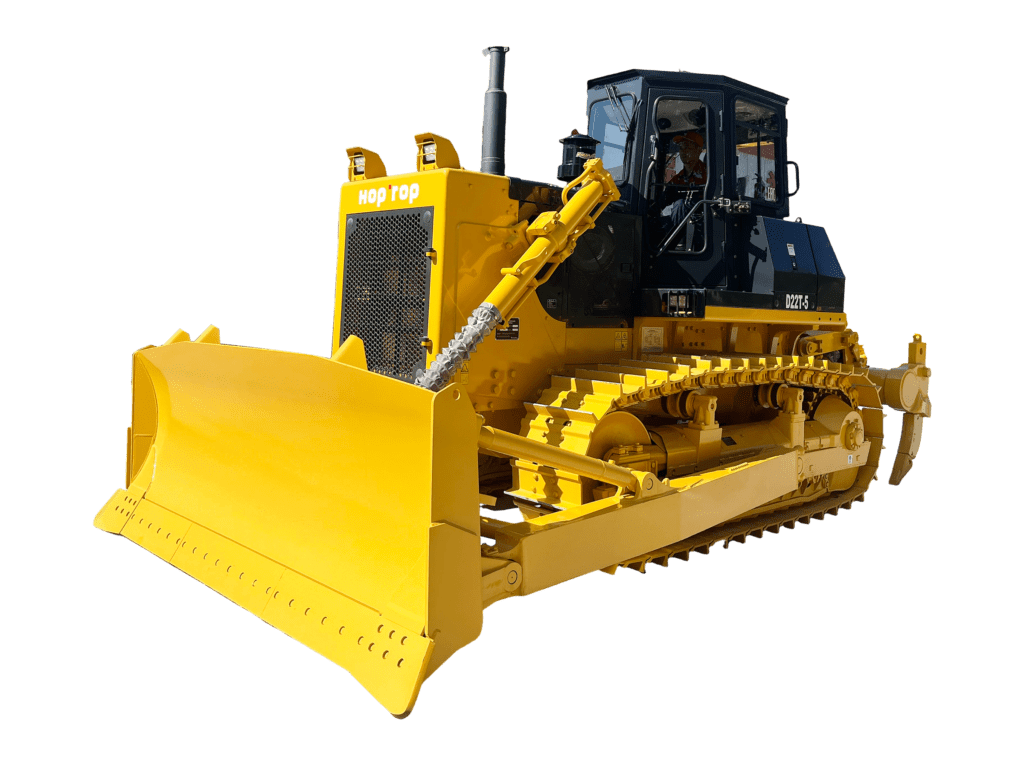
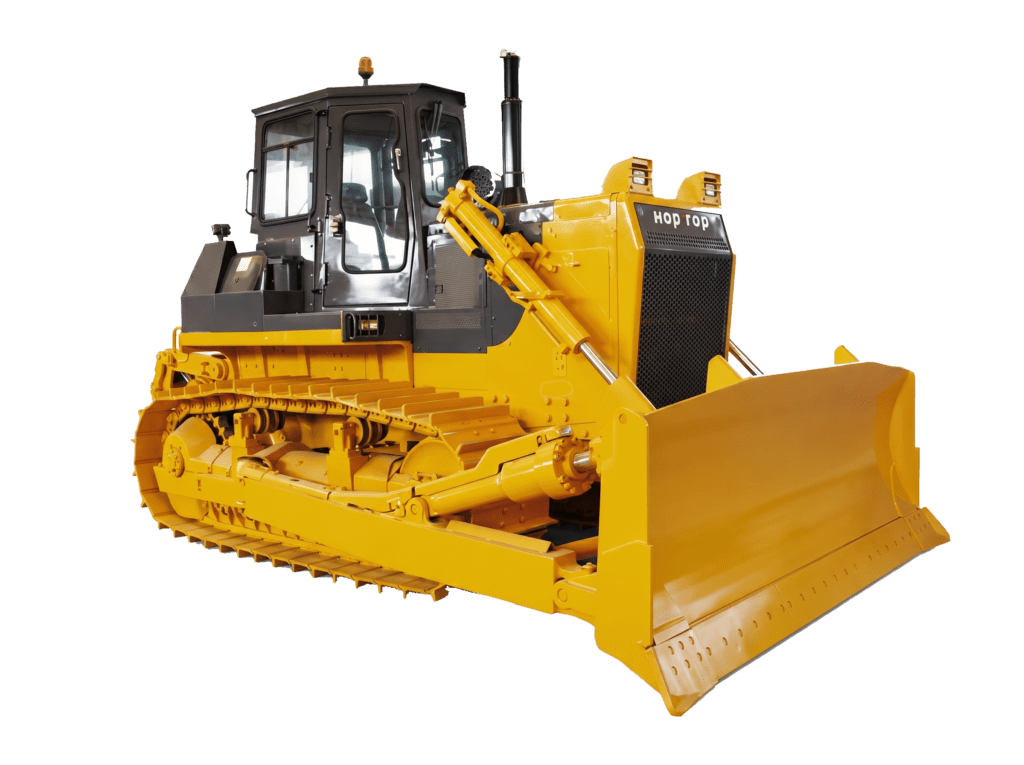
Why Choose HOPTOP Bulldozers
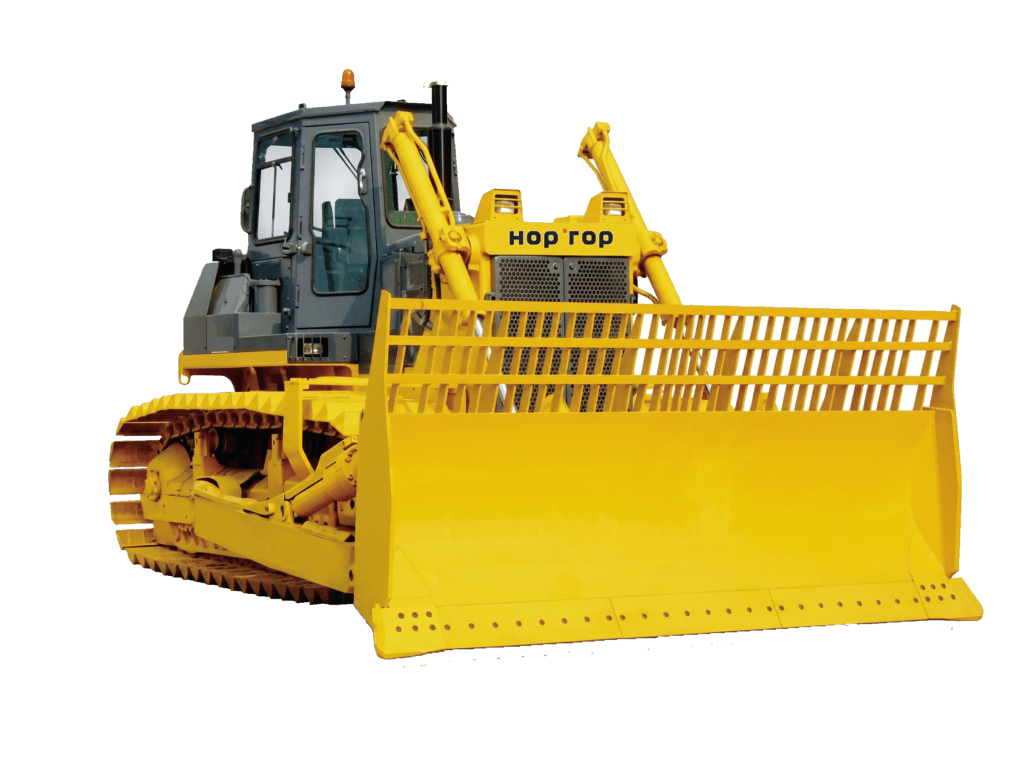
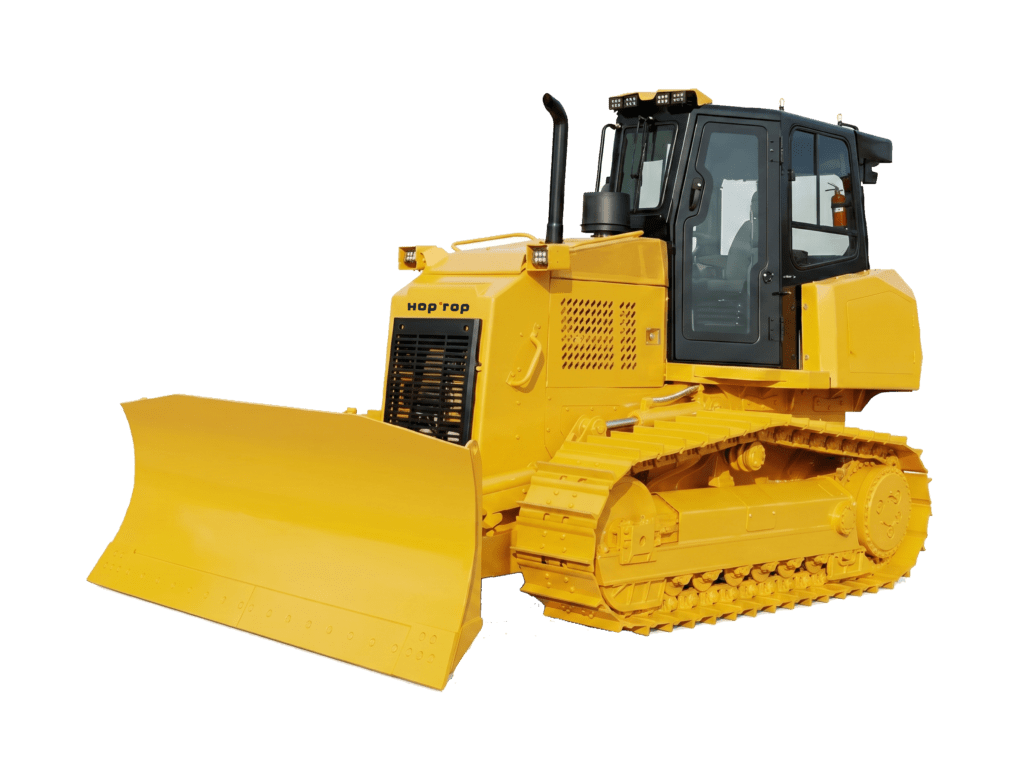
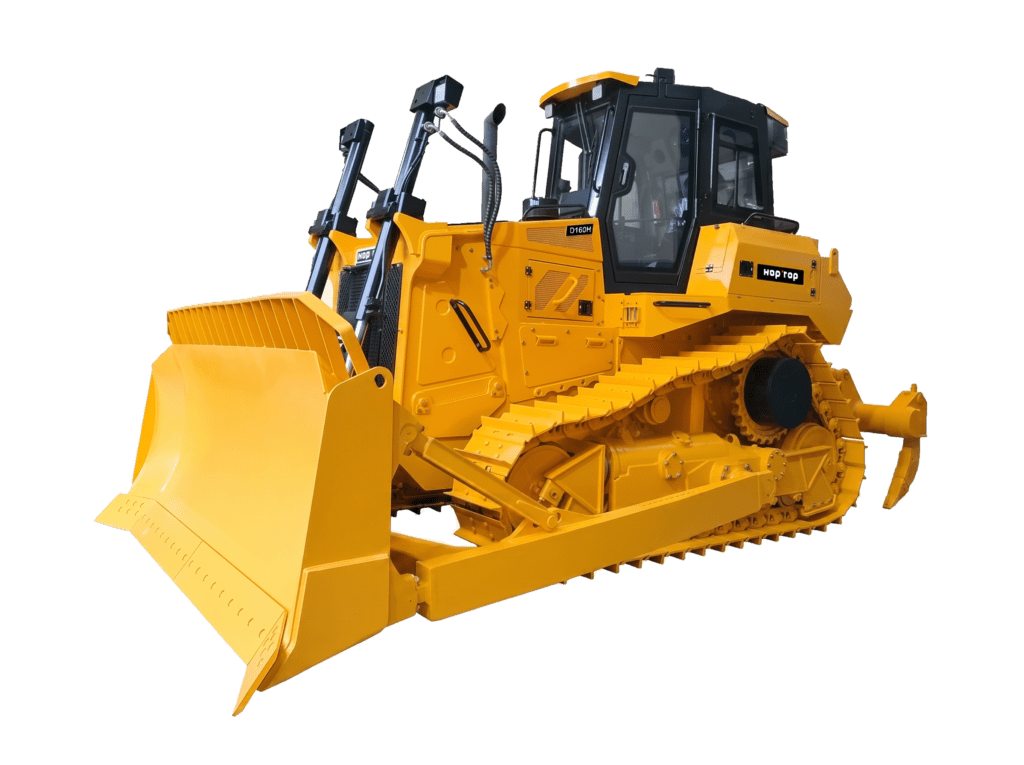
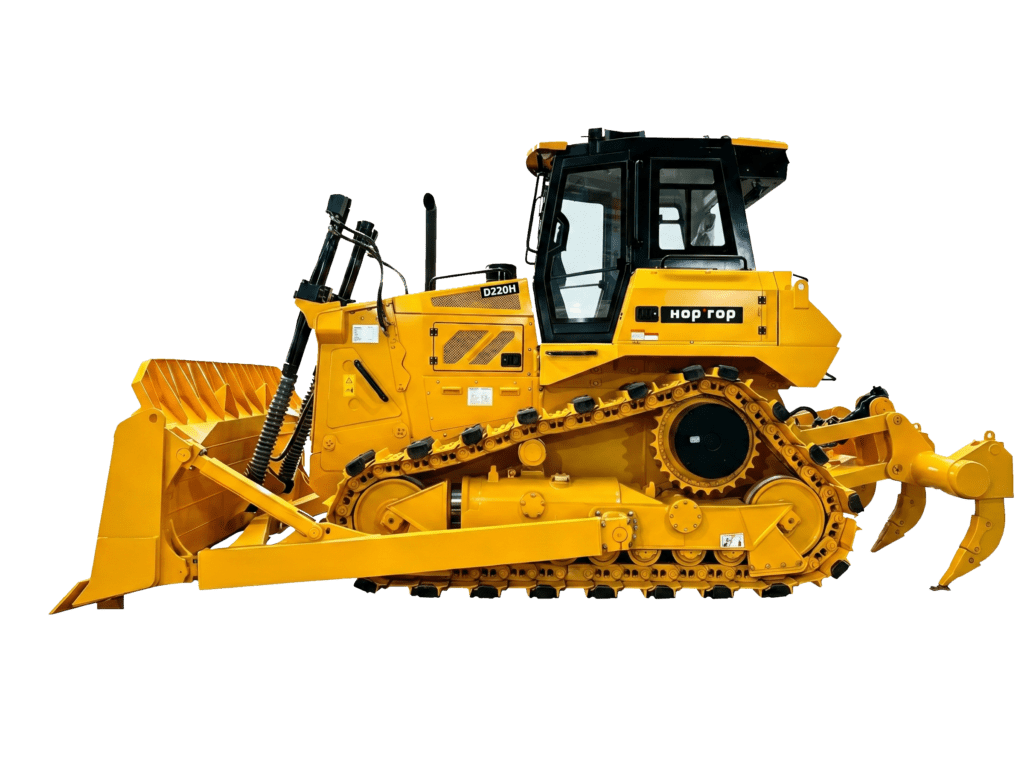
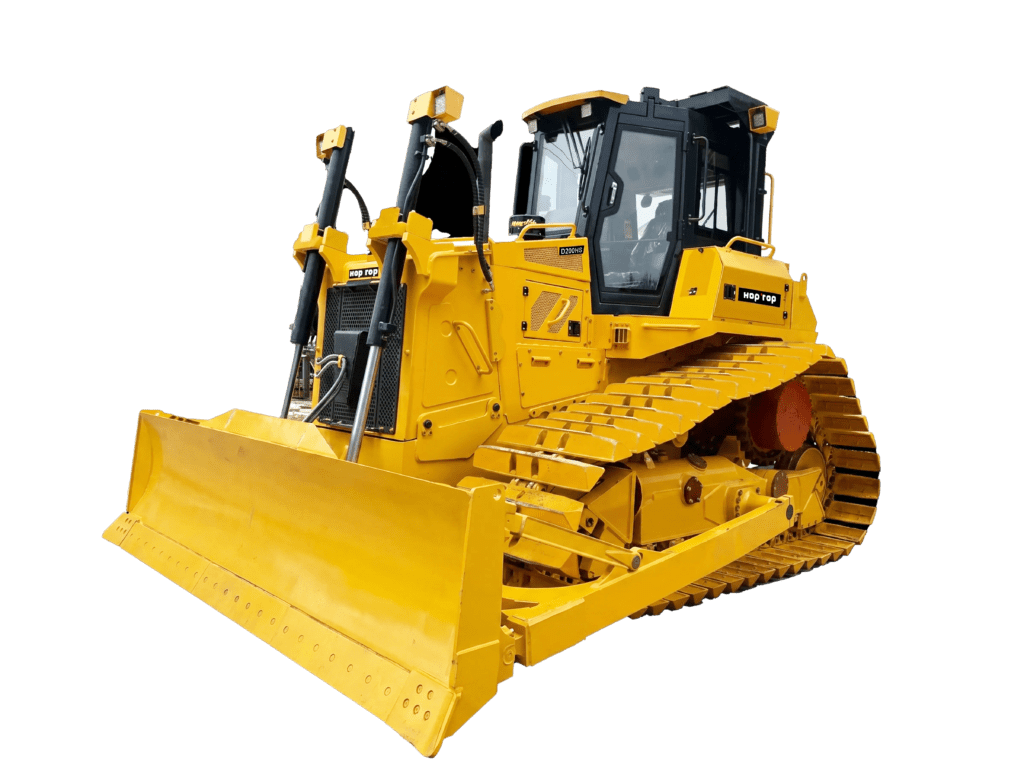
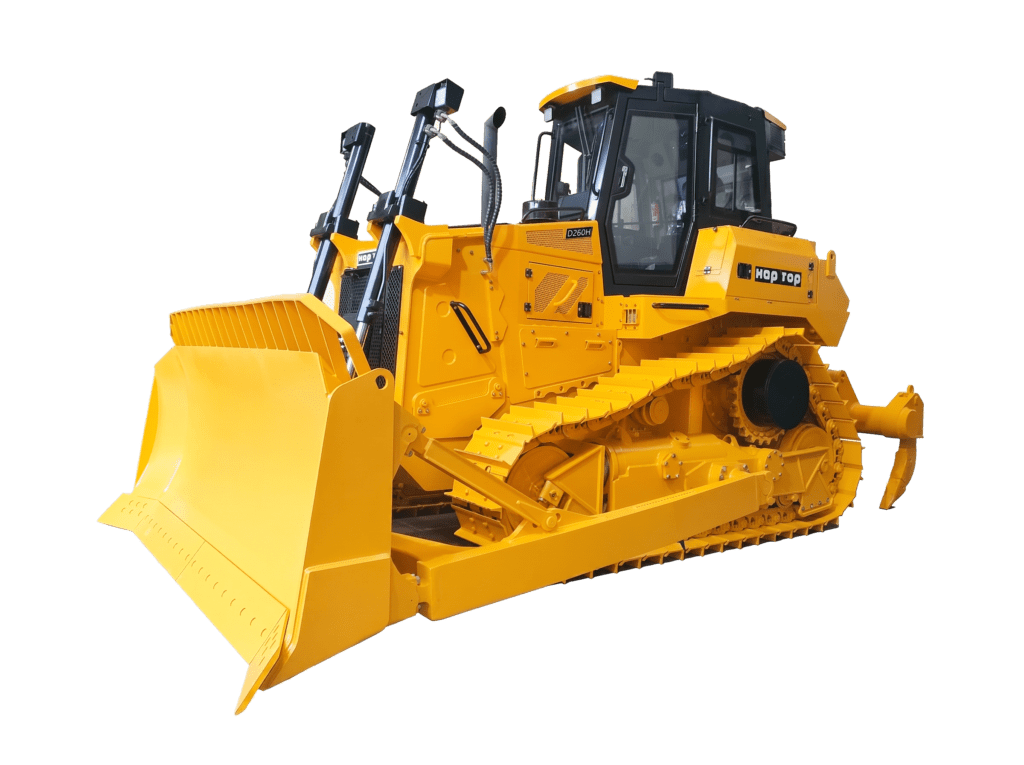
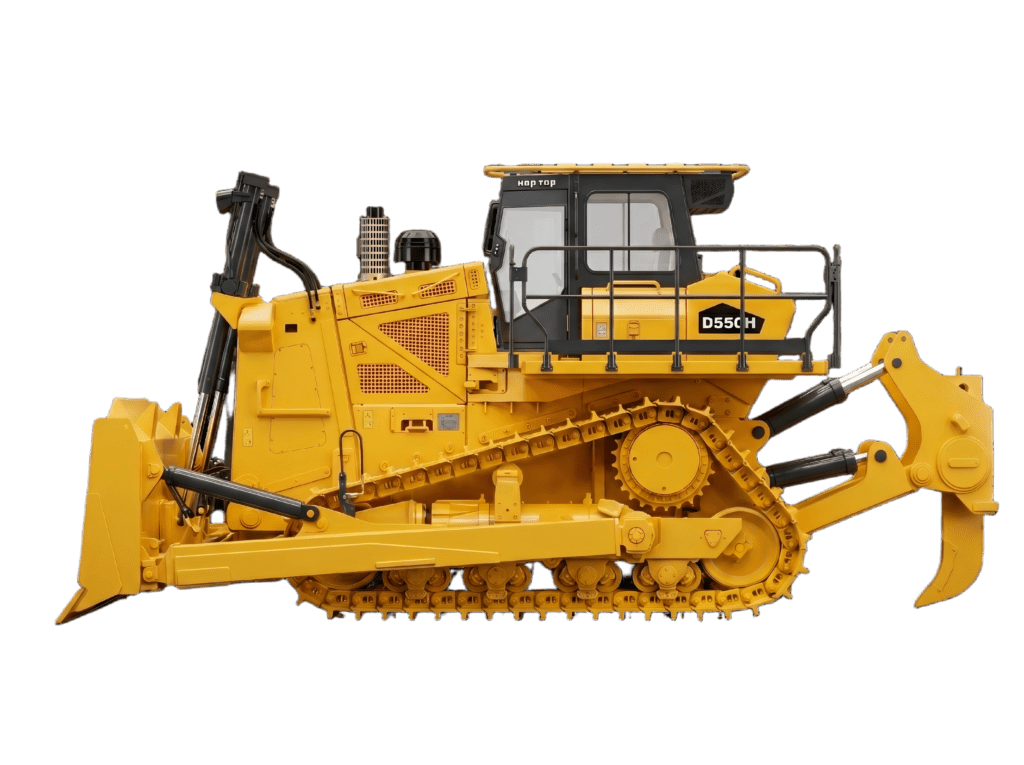
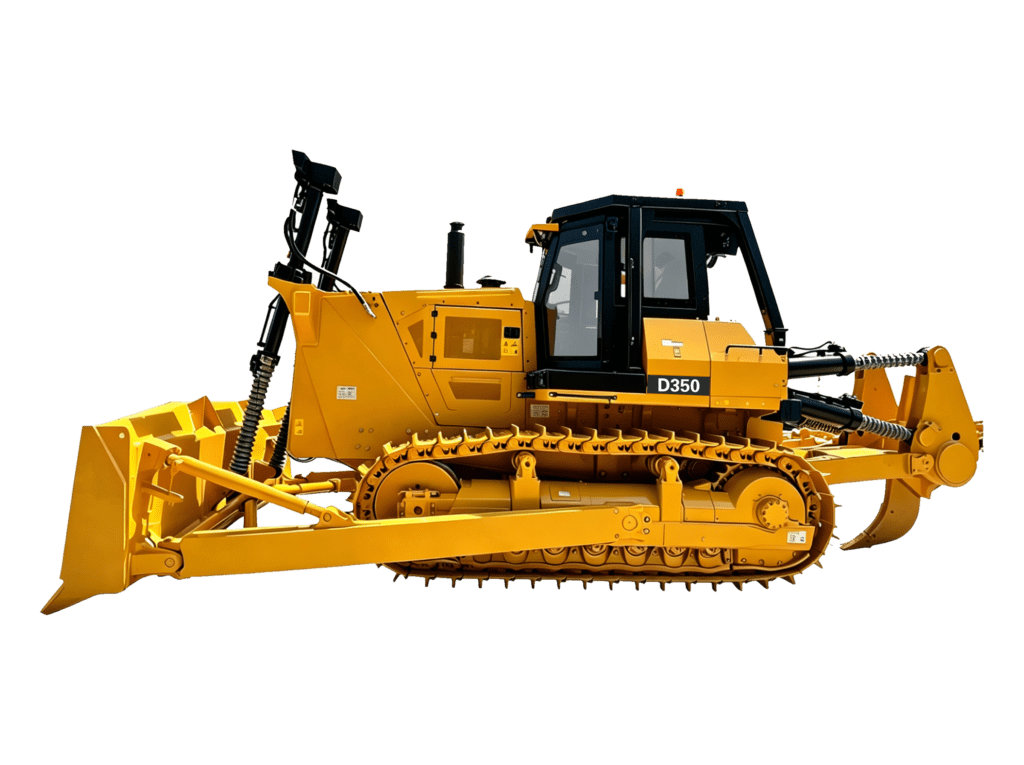
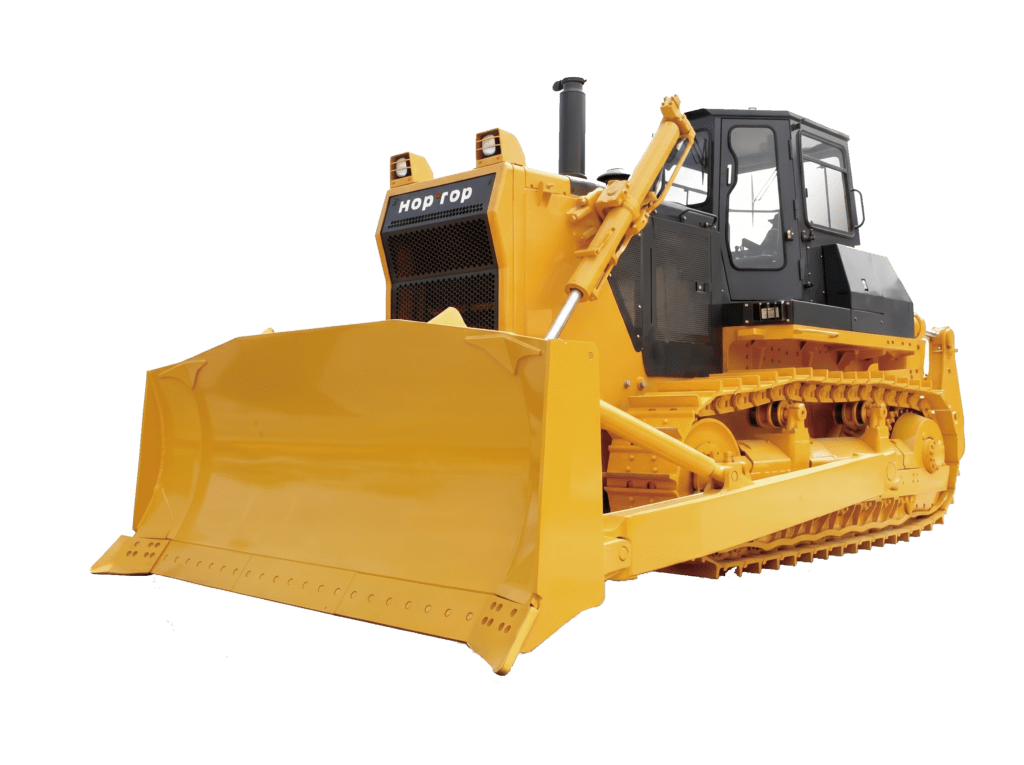
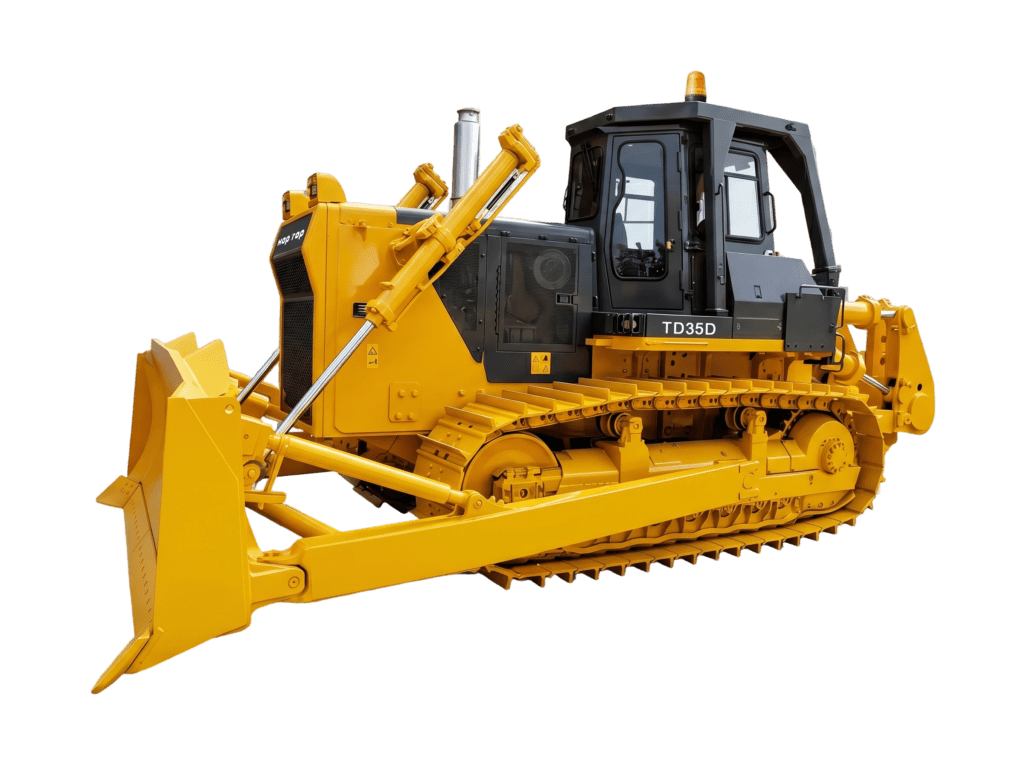
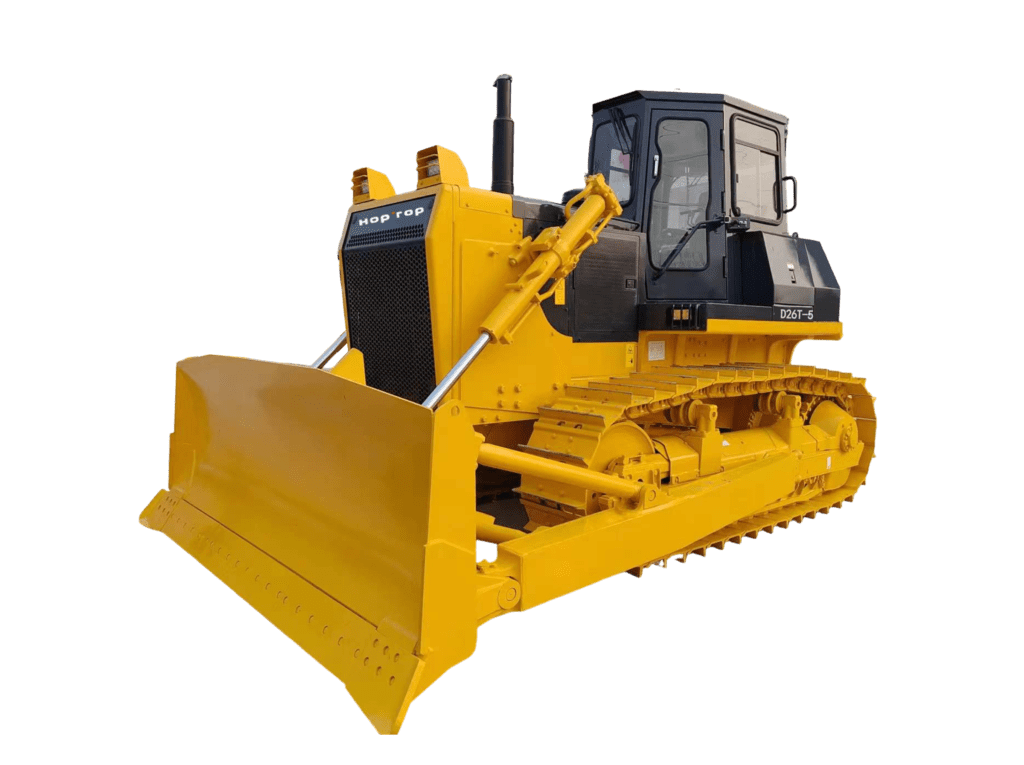
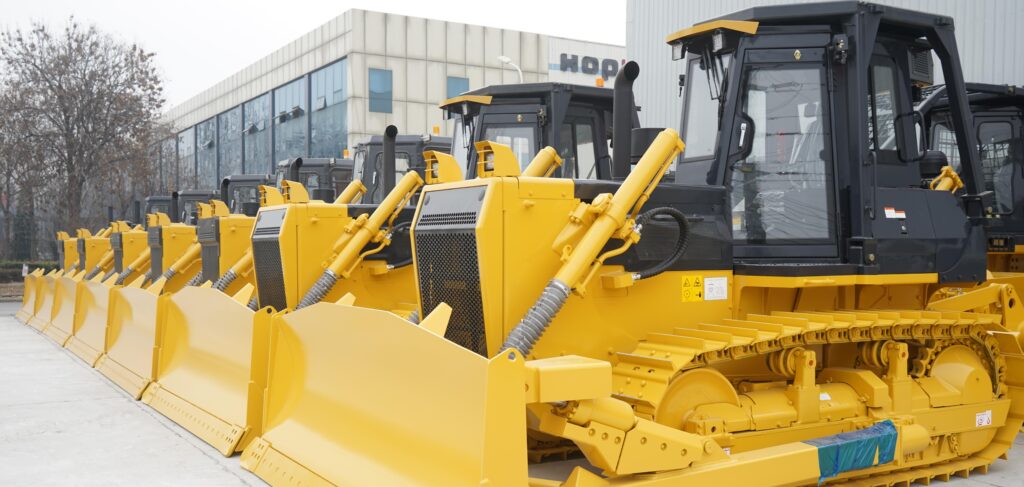
HOPTOP crawler bulldozers are designed for demanding construction environments.
Key advantages include:
- Reliable powertrain
- Durable undercarriage
- Efficient hydraulic system
- Comfortable operator cab
- Easy maintenance
- Competitive operating cost
- Multiple configurations for different applications
From standard construction projects to mining and special-environment operations, HOPTOP provides solutions that balance productivity, durability, and cost efficiency.
Conclusion
Choosing the right bulldozer requires careful evaluation of working conditions, horsepower, blade type, hydraulic performance, undercarriage durability, and after-sales support.
By selecting a machine that matches your project requirements rather than simply focusing on engine size or purchase price, contractors can improve productivity while reducing long-term operating costs.
FAQ
What size bulldozer is best for road construction?
Most road construction projects use bulldozers between 180 HP and 260 HP, offering a good balance of power, efficiency, and operating cost.
Which blade is best for moving large amounts of soil?
A Universal (U) blade provides the highest material capacity and is ideal for bulk earthmoving.
How important is the undercarriage?
The undercarriage is one of the most expensive wear components on a crawler bulldozer. Regular inspection and proper track selection greatly extend service life.
Should I choose hydrostatic or power shift transmission?
Hydrostatic transmission offers smoother operation and precise grading, while power shift transmission is better suited for heavy-duty pushing and mining applications.