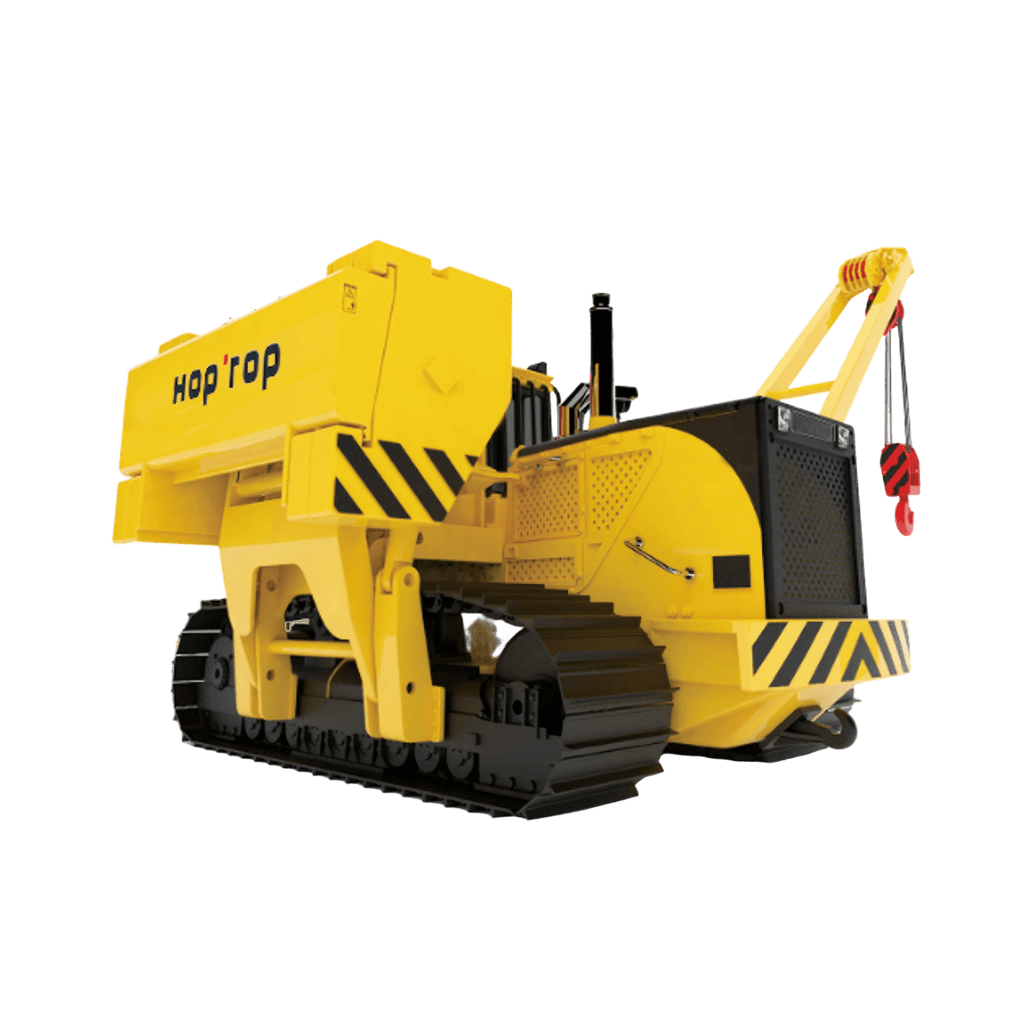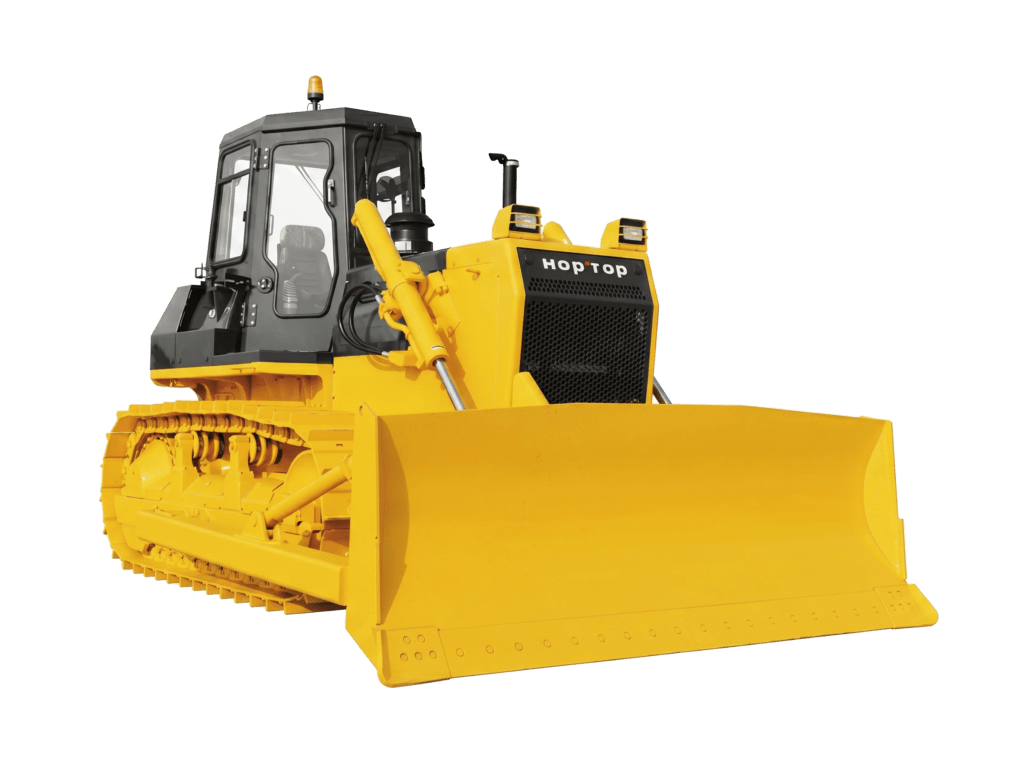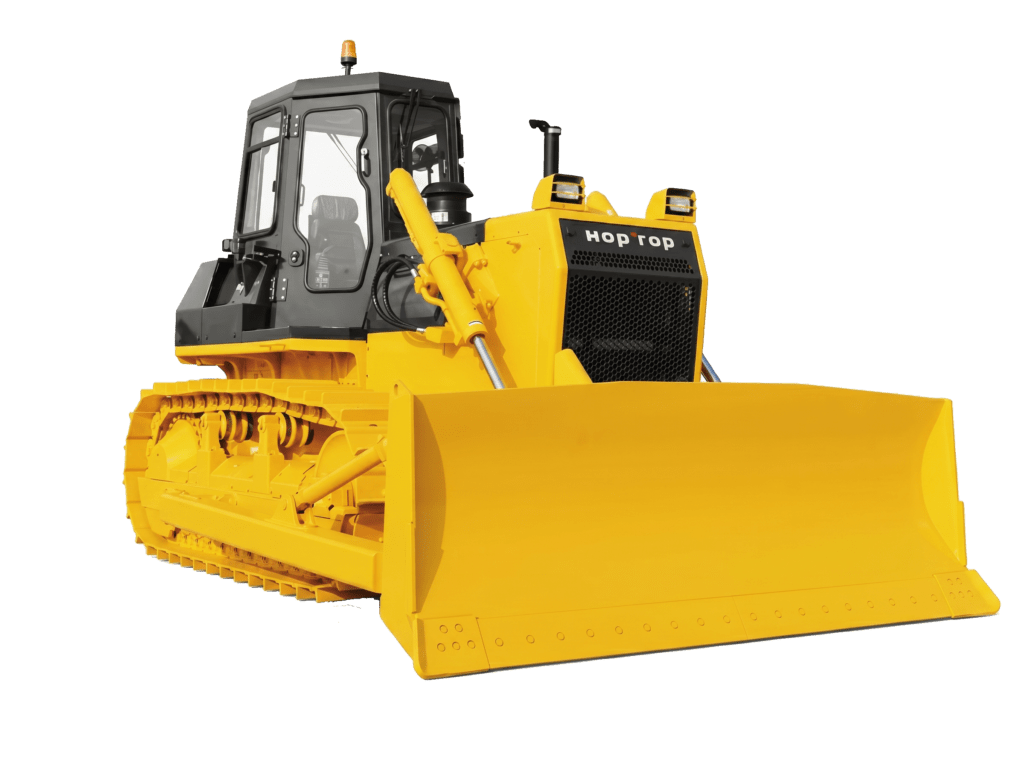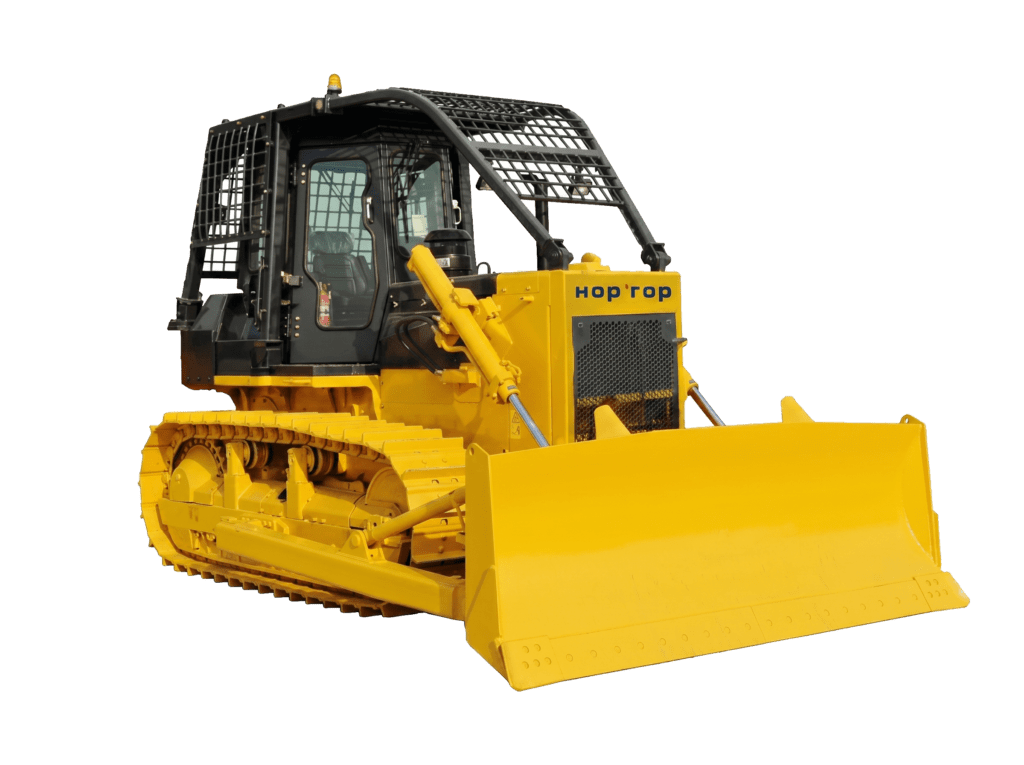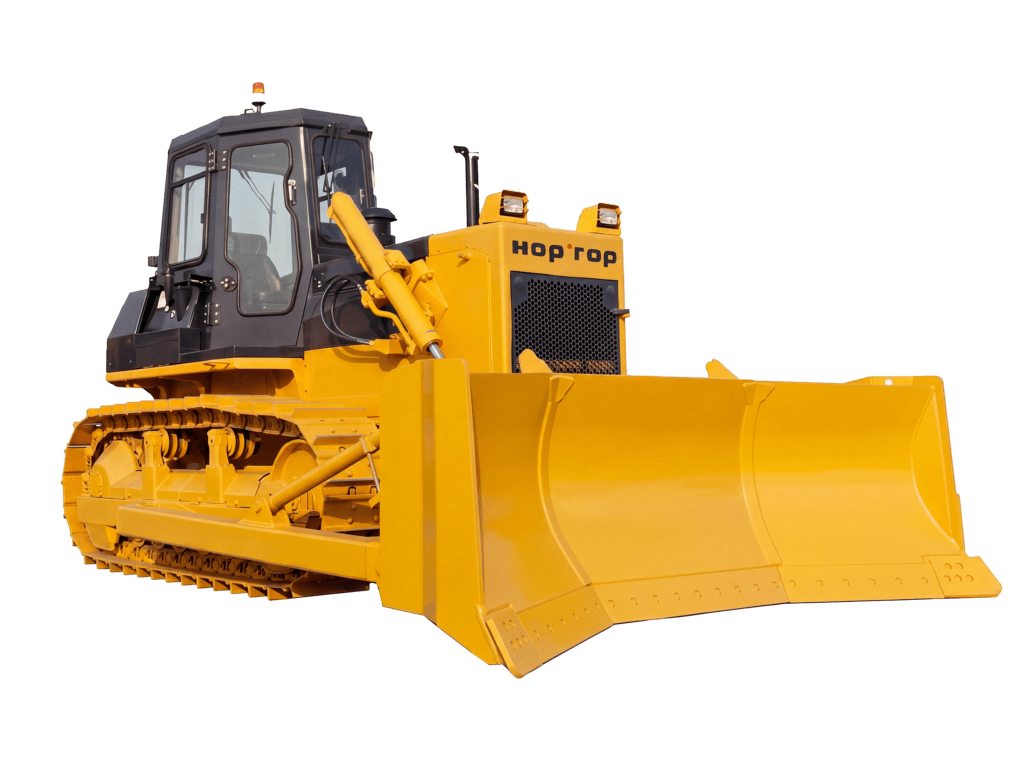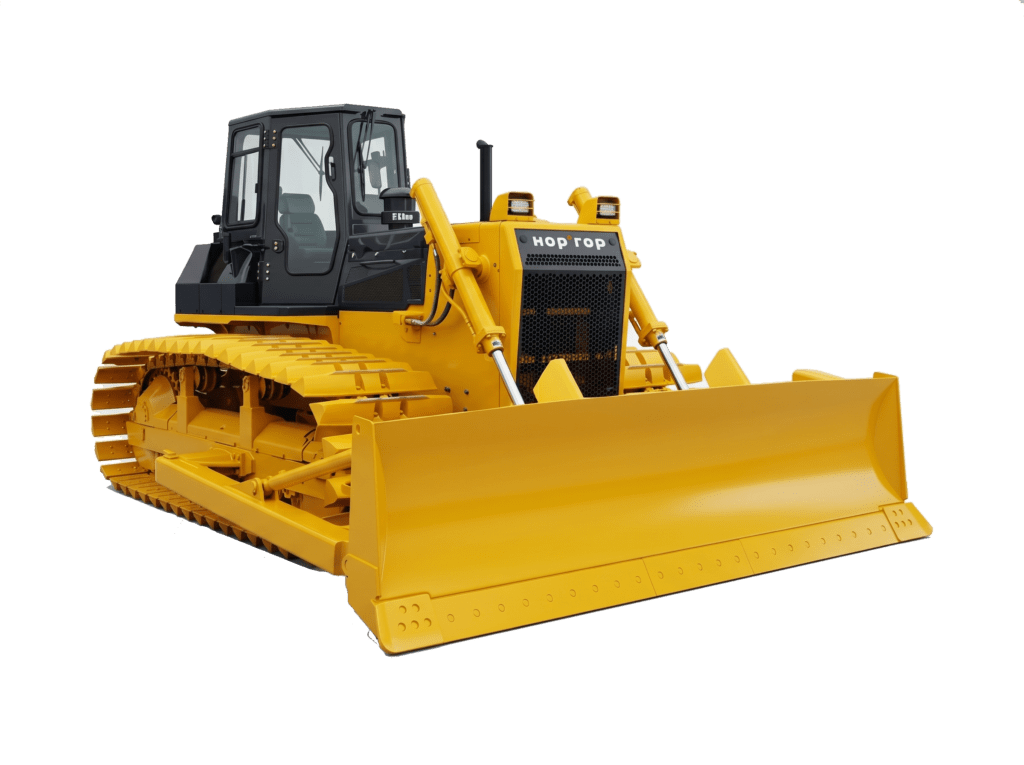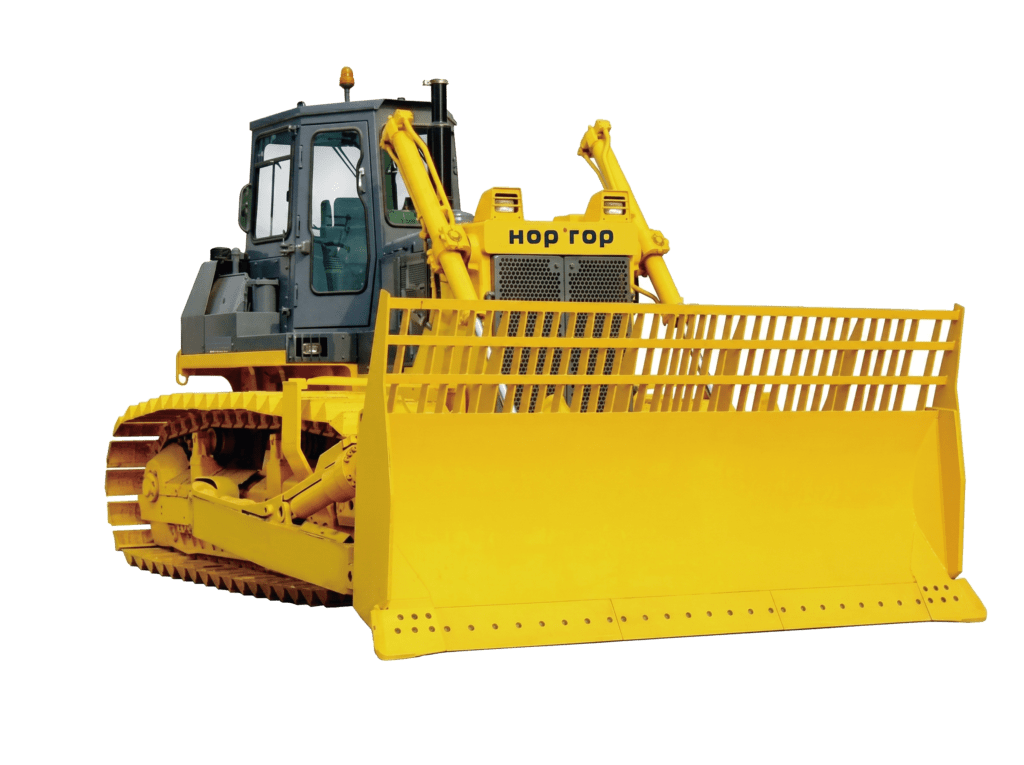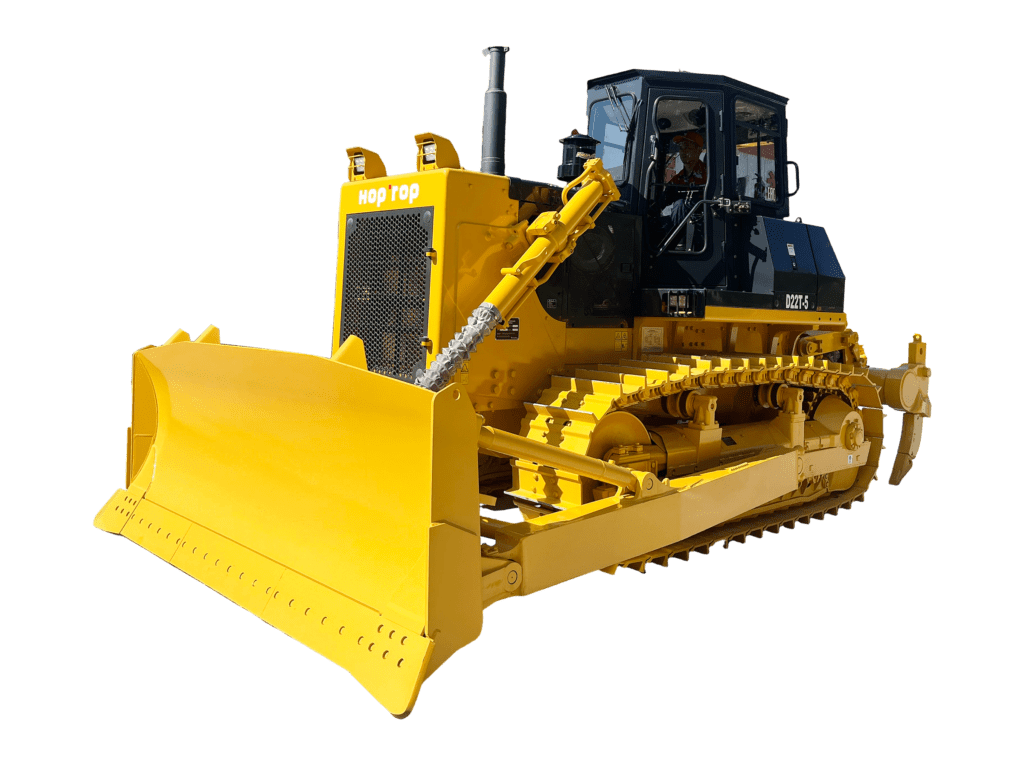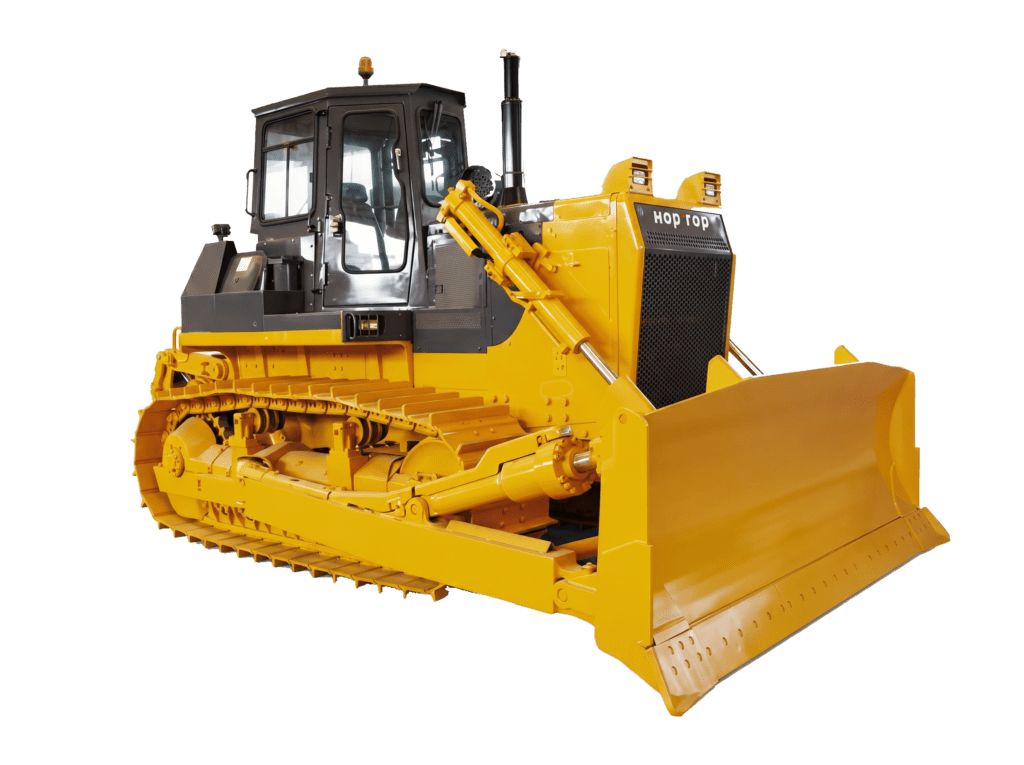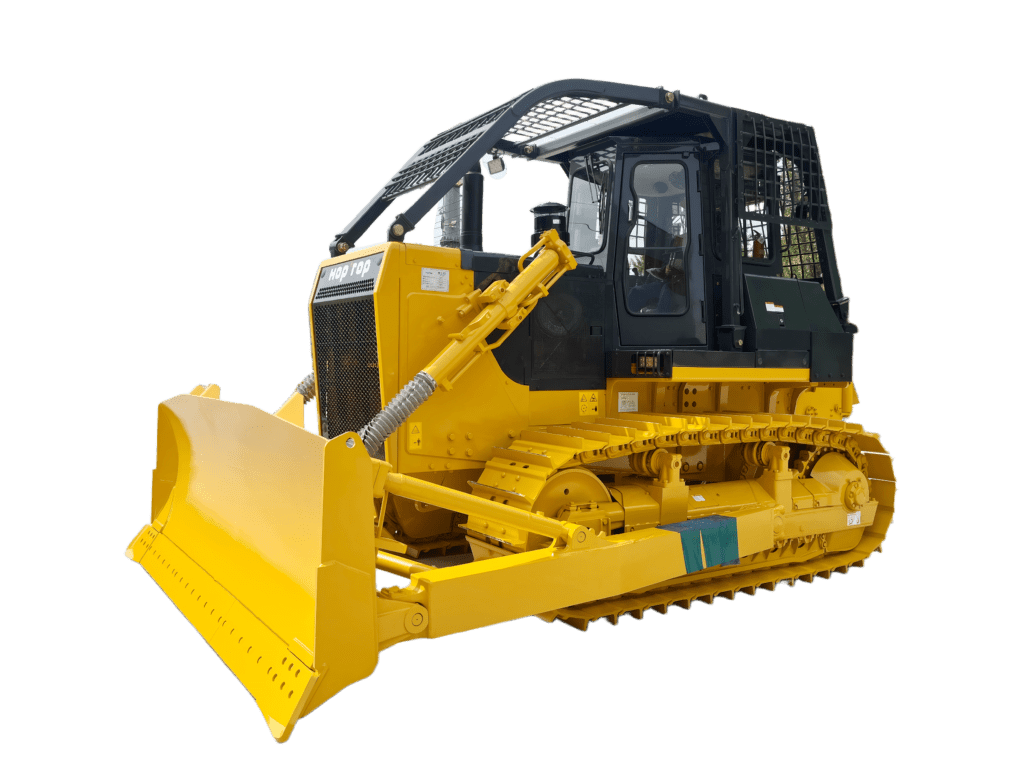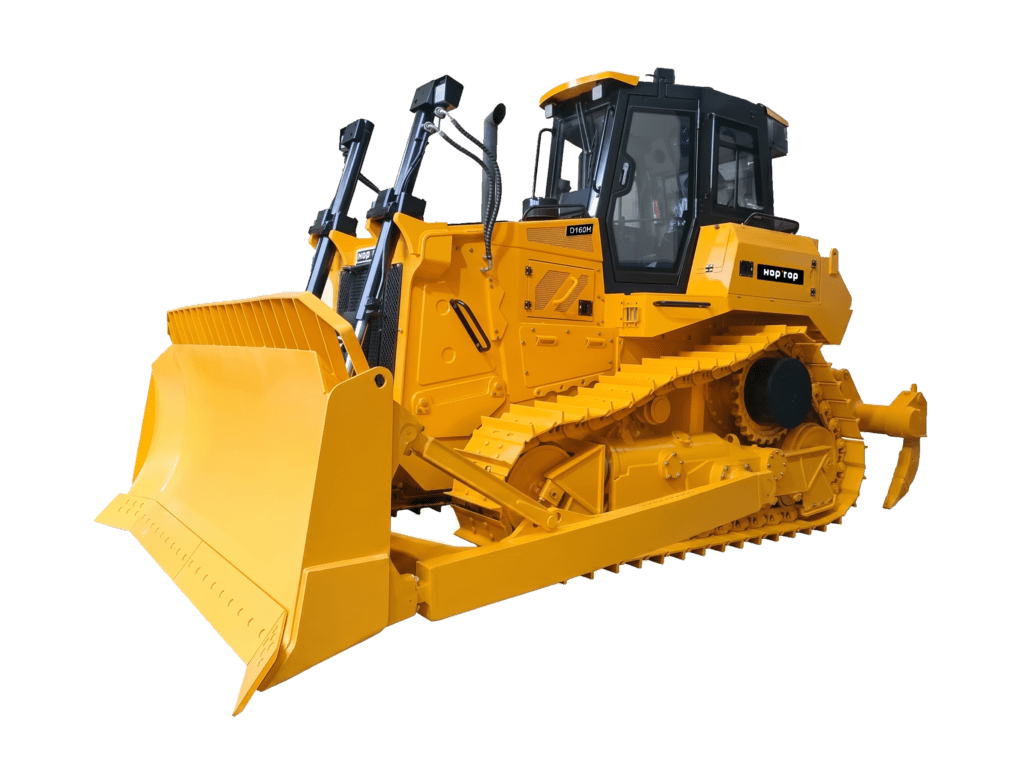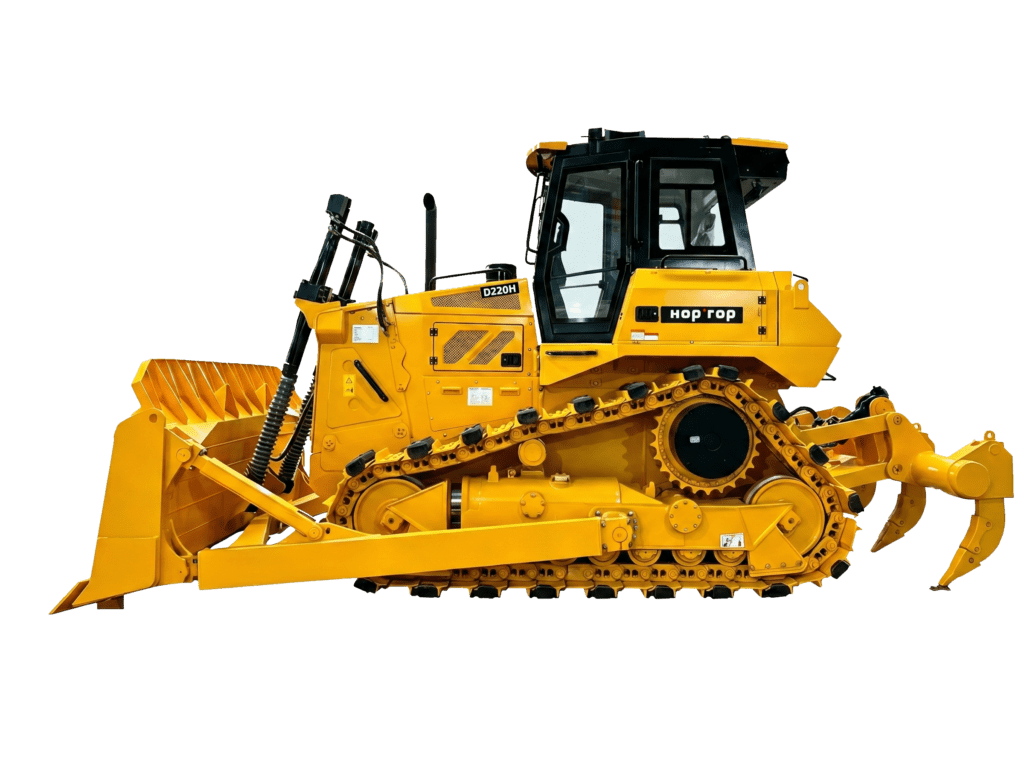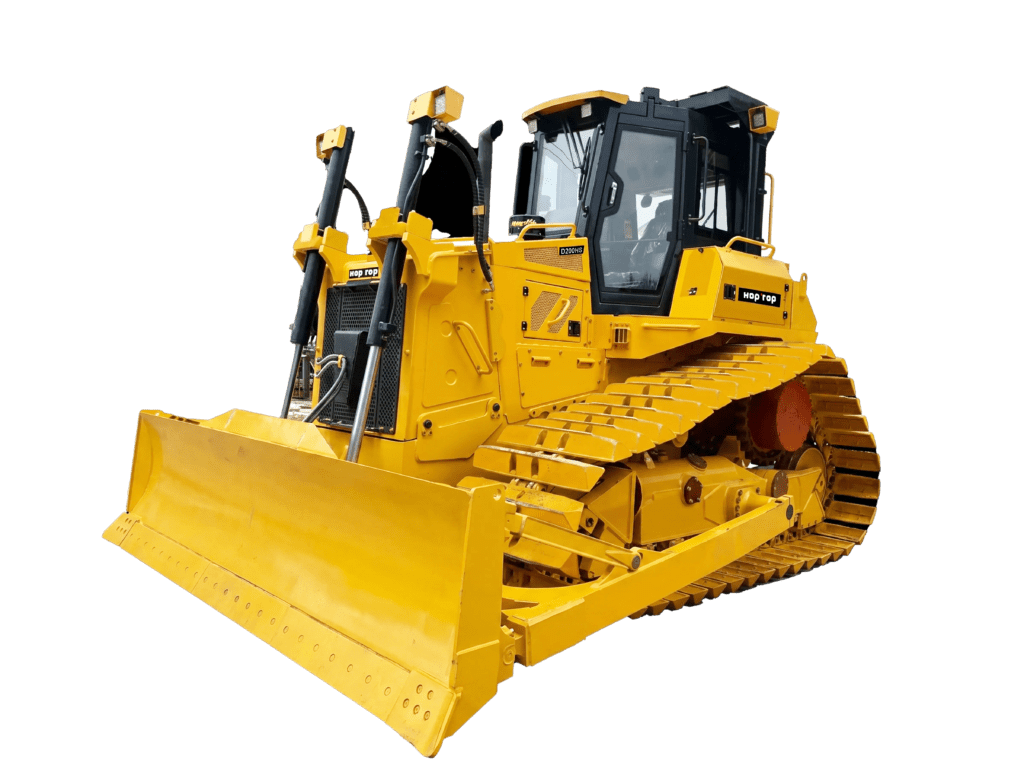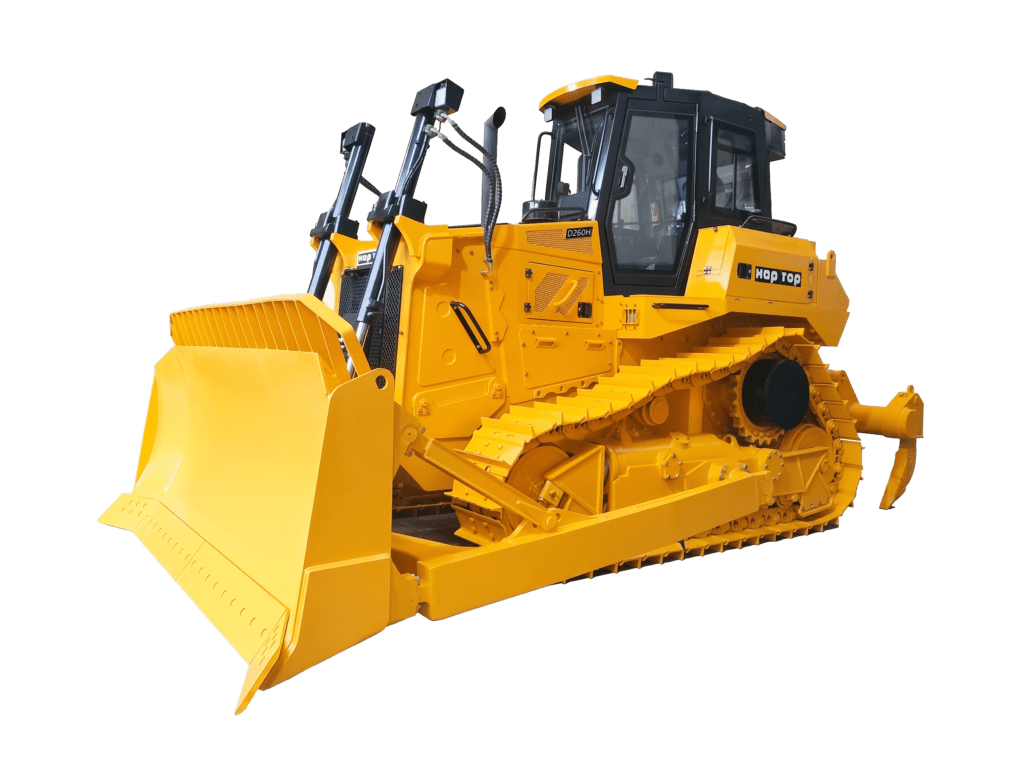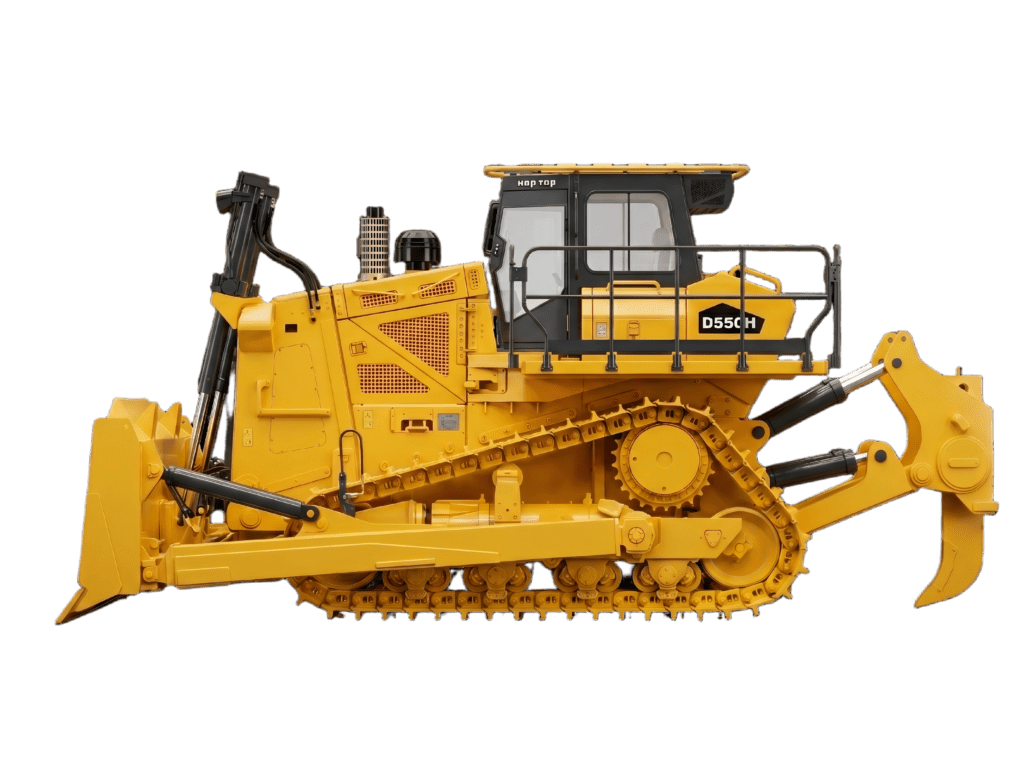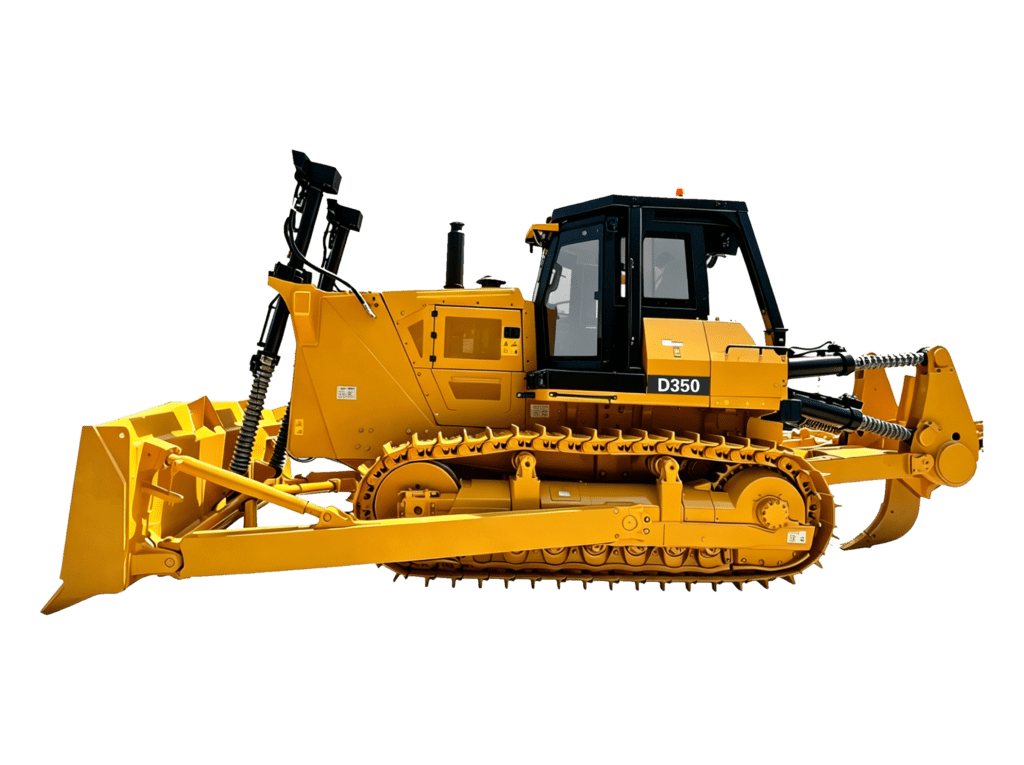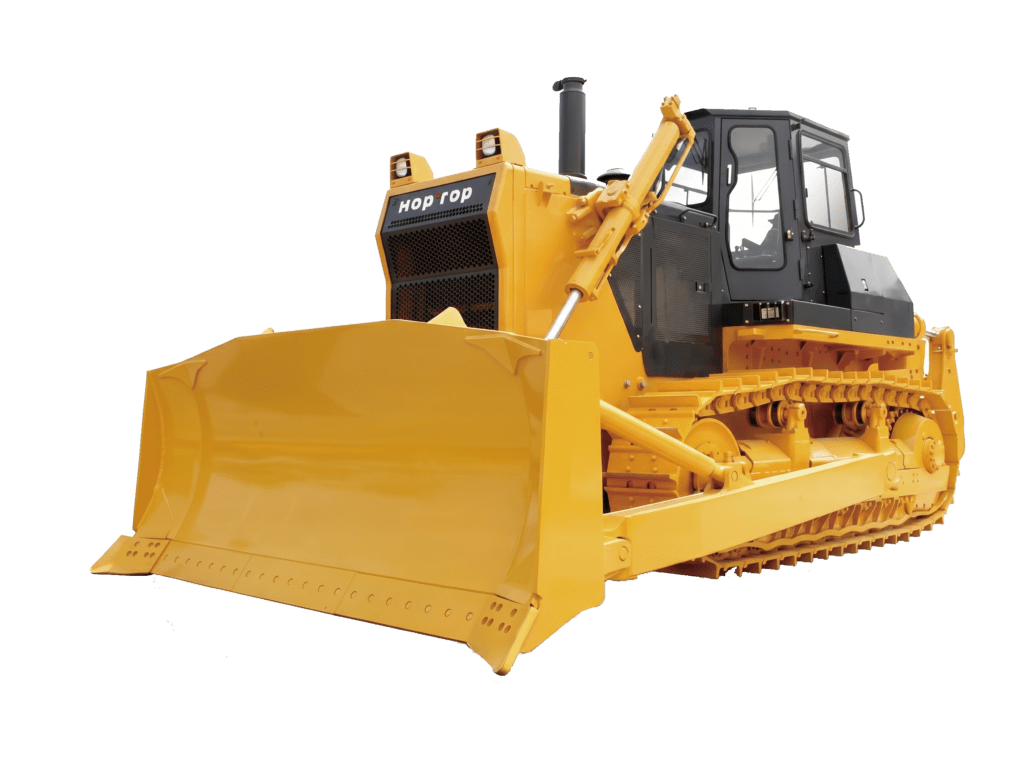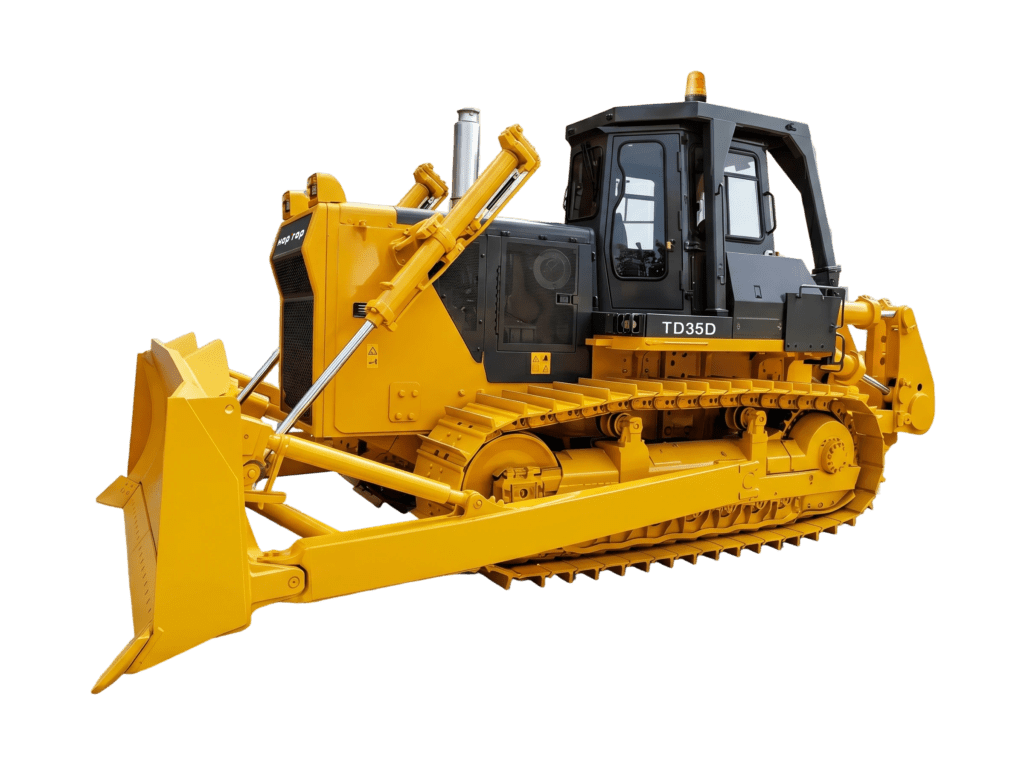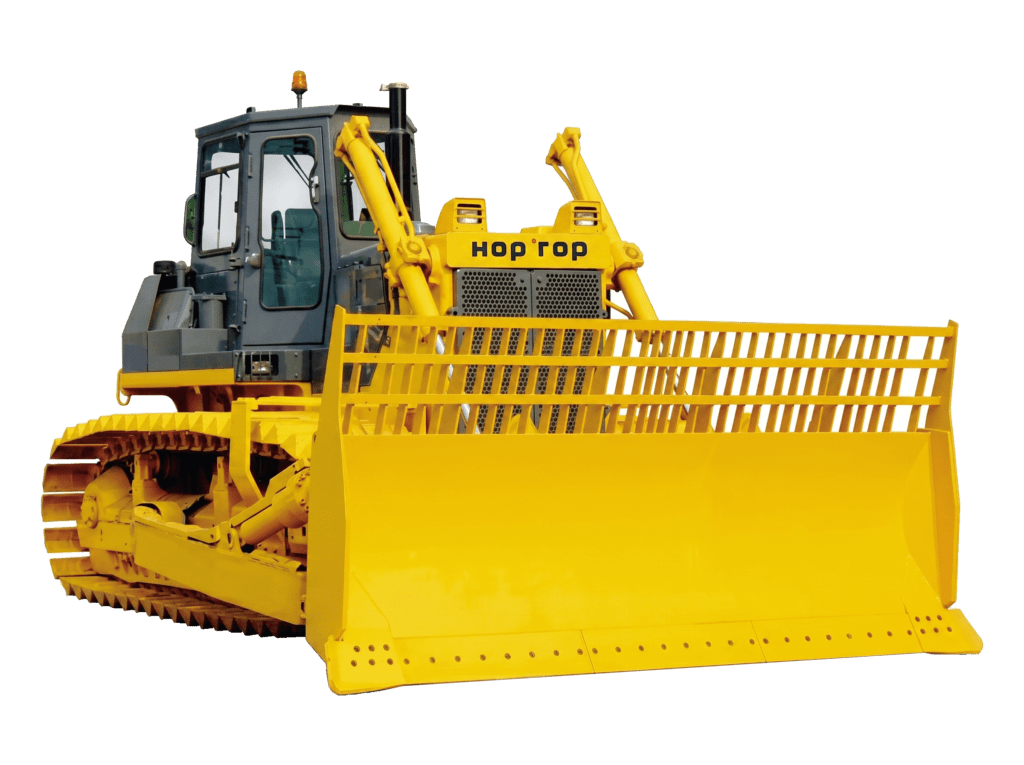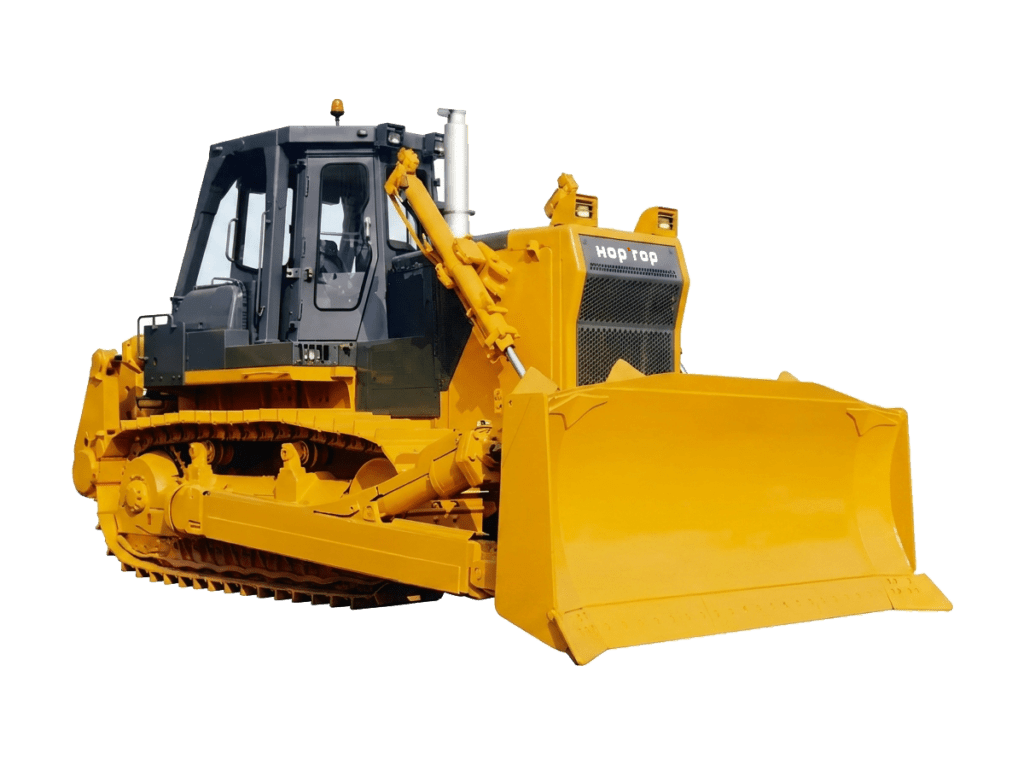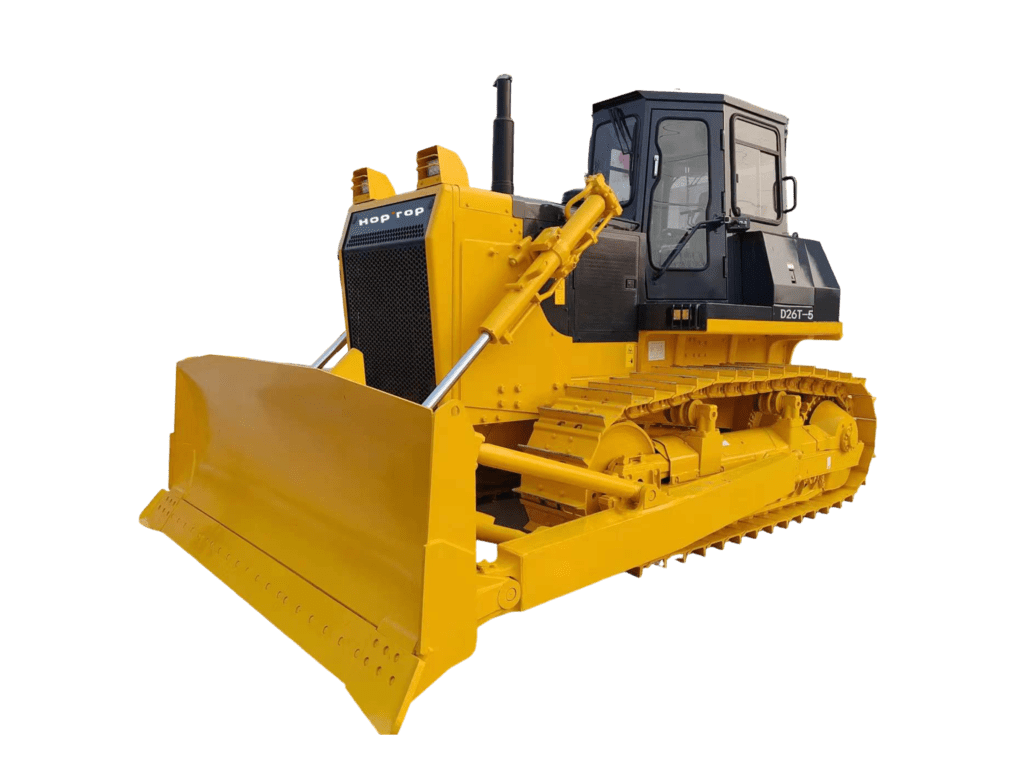
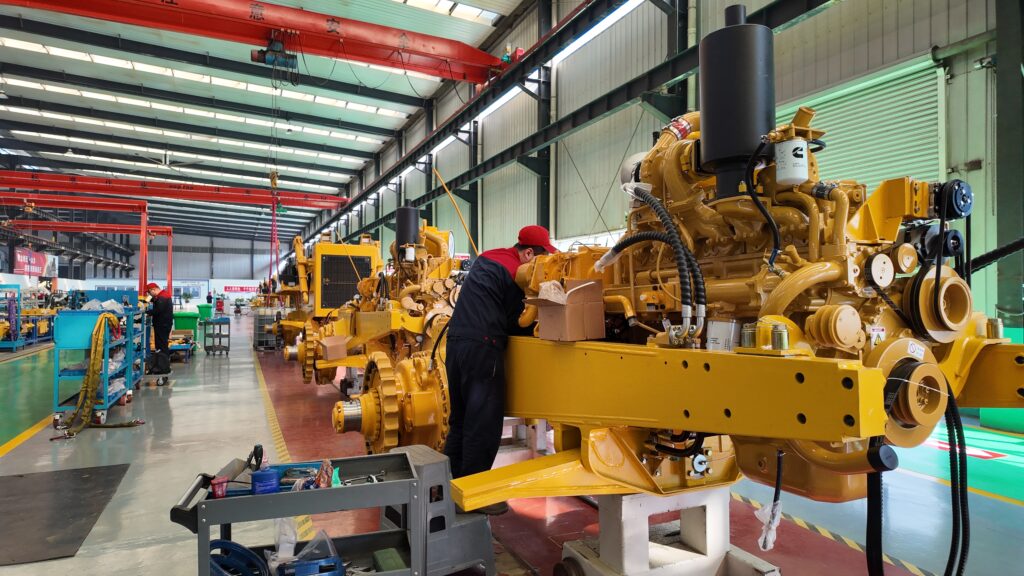
Crawler bulldozers are designed to operate under demanding conditions such as earthmoving, mining, road construction, and large-scale infrastructure projects. During continuous heavy-duty operation, transmission system failures may occur due to component wear, sealing deterioration, or improper maintenance.
One common problem reported by operators is reverse gear weakness, where the bulldozer operates normally at the beginning but gradually loses reverse travel capability after extended operation.
This article presents a troubleshooting case involving a crawler bulldozer that experienced reduced reverse travel power after the machine temperature increased. Through systematic inspection, technicians identified the failure source as a damaged reverse clutch piston sealing ring inside the transmission system.
Fault Symptoms
The operator reported the following issues during machine operation:
- The bulldozer could operate normally after startup.
- After approximately 5 minutes of operation, reverse travel performance gradually decreased.
- As operating time increased and transmission temperature rose, reverse gear became weaker.
- Eventually, the bulldozer was unable to move backward normally.
The forward travel function remained relatively normal, while the reverse gear showed obvious performance loss.
This symptom indicated that the failure was likely related to the reverse transmission circuit or reverse clutch assembly.
Initial Fault Analysis
A crawler bulldozer typically uses a power shift transmission system to transfer engine power to the final drive.
The transmission system includes:
- Transmission pump
- Control valve
- Hydraulic circuits
- Clutch assemblies
- Friction plates
- Piston seals
When a bulldozer loses reverse travel capability, possible causes include:
- Insufficient transmission pressure
- Transmission oil supply problems
- Control valve malfunction
- Clutch piston sealing failure
- Excessive wear of friction components
A professional diagnosis requires checking each possible cause step by step rather than replacing components directly.
Troubleshooting Process
Step 1: Check Transmission Oil and External Conditions
The first step was to inspect the basic operating conditions of the transmission system.
Technicians checked:
- Transmission oil level
- Oil condition
- External leakage
- Hydraulic pipeline connections
The inspection showed that:
- Oil level was within the normal range.
- No obvious external leakage was found.
- Transmission oil contamination was not the primary cause.
Therefore, further inspection of the internal transmission system was required.
Step 2: Measure Transmission Pressure
Transmission pressure testing is an important method for diagnosing bulldozer travel problems.
Technicians tested the pressure performance of different transmission gears.
The test results showed:
- Forward gears operated normally.
- Reverse gear pressure decreased significantly after the machine warmed up.
This indicated that the problem was not caused by the main hydraulic supply system.
Instead, the failure was likely located in the reverse gear clutch circuit.
Step 3: Inspect Transmission Control Components
The transmission control valve was inspected to determine whether the reverse gear pressure loss was caused by valve malfunction.
Inspection items included:
- Valve spool movement
- Hydraulic passages
- Sealing condition
- Internal blockage
No abnormal blockage or control valve failure was found.
The troubleshooting process continued toward the reverse clutch assembly.
Step 4: Inspect Reverse Clutch Assembly
After removing and inspecting the transmission components, technicians found that the reverse clutch piston sealing ring had obvious damage.
The sealing ring showed:
- Serious wear
- Deformation
- Reduced sealing performance
Due to the damaged seal, hydraulic oil leaked internally when pressure was applied to engage the reverse clutch.
As a result:
- The clutch piston could not generate sufficient engagement force.
- Friction plates could not fully engage.
- Power transmission efficiency decreased.
- Reverse travel performance gradually weakened.
Root Cause Analysis
Damaged Reverse Clutch Piston Sealing Ring
The final diagnosis was:
The reverse gear weakness was caused by internal hydraulic leakage from the damaged reverse clutch piston sealing ring.
During initial operation, when the transmission oil temperature was relatively low, the leakage was limited and the bulldozer could still operate.
However, as the machine continued working:
- Transmission oil temperature increased.
- Oil viscosity decreased.
- Internal leakage became more serious.
- Hydraulic pressure at the reverse clutch decreased.
Eventually, the reverse clutch could not fully engage, causing the bulldozer to lose reverse travel capability.
Repair Solution
To restore normal operation, technicians performed the following repairs:
1. Disassemble Transmission Components
The transmission was removed and inspected to access the reverse clutch assembly.
2. Replace Damaged Sealing Components
The damaged reverse clutch piston sealing ring was replaced with a new component.
Other related components were inspected to ensure there was no additional damage.
3. Inspect Clutch Components
Technicians checked:
- Friction plates
- Clutch piston
- Springs
- Hydraulic passages
Any abnormal wear was evaluated before reassembly.
4. Perform System Testing
After repair:
- Transmission pressure was tested again.
- Reverse travel function was verified.
- Machine operating performance was confirmed under working conditions.
The bulldozer returned to normal reverse travel performance.
Troubleshooting Lessons
This case demonstrates the importance of systematic diagnosis in crawler bulldozer maintenance.
When a bulldozer experiences weak reverse travel, technicians should not immediately replace the transmission.
A proper troubleshooting process should include:
Check basic conditions first
Inspect:
- Oil level
- Oil quality
- External leakage
Measure system pressure
Pressure testing helps determine whether the problem comes from:
- Hydraulic supply
- Control system
- Internal clutch leakage
Identify the failed component
Only after confirming the failure source should components be repaired or replaced.
This approach reduces unnecessary maintenance costs and improves repair efficiency.
How to Prevent Bulldozer Transmission Failures
Regular maintenance can significantly reduce transmission problems.
Recommended practices include:
Maintain Proper Transmission Oil Quality
Use the recommended transmission oil and replace it according to maintenance schedules.
Contaminated oil can accelerate:
- Seal wear
- Valve blockage
- Component damage
Monitor Operating Temperature
Abnormal temperature increases may indicate:
- Internal leakage
- Poor lubrication
- Cooling system problems
Early inspection can prevent major failures.
Follow Preventive Maintenance Procedures
Regular inspection of:
- Transmission pressure
- Hydraulic components
- Oil condition
- Sealing components
helps extend transmission service life.
HOPTOP Bulldozer Technical Support
HOPTOP crawler bulldozers are developed for challenging working environments including construction, mining, and heavy earthmoving applications.
Reliable transmission systems, durable components, and professional maintenance support help ensure stable machine performance throughout the equipment lifecycle.
Through proper operation and preventive maintenance, operators can reduce downtime and achieve higher productivity.
FAQ
Why does a bulldozer lose reverse power after warming up?
A common cause is internal hydraulic leakage in the reverse clutch circuit. As oil temperature increases, leakage may become more severe and reduce clutch engagement pressure.
Why does my bulldozer move forward but not backward?
If forward travel works normally but reverse travel fails, the problem may be related specifically to the reverse clutch, control circuit, or hydraulic pressure supply for reverse operation.
How can I diagnose a bulldozer transmission problem?
A professional diagnosis usually includes checking oil condition, measuring transmission pressure, inspecting control valves, and examining clutch components.
How often should bulldozer transmission oil be changed?
The replacement interval depends on machine model, operating environment, and manufacturer recommendations. Heavy-duty applications may require more frequent inspections.