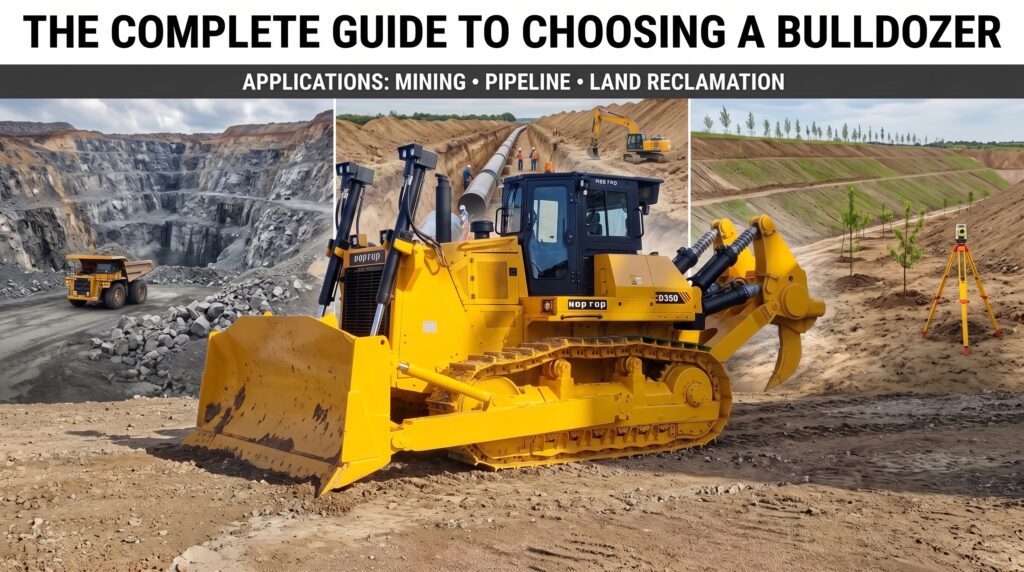
In heavy-duty industries such as mining, pipeline construction, and land development, bulldozers are among the most essential machines for large-scale earthmoving operations.
However, not every bulldozer is suitable for every working environment. A machine designed for general construction may not provide the required performance in extreme mining conditions, while a high-power mining bulldozer may be unnecessary for lighter applications.
Choosing the right bulldozer requires a comprehensive understanding of:
- Working conditions
- Required horsepower
- Operating weight
- Ground conditions
- Transmission system
- Productivity expectations
- Long-term maintenance requirements
For contractors, mining operators, and equipment distributors, selecting the right bulldozer for mining and heavy-duty applications can significantly improve productivity, reduce operating costs, and increase equipment return on investment.
As a professional bulldozer manufacturer, HOPTOP focuses on developing reliable bulldozer solutions designed for demanding working environments, including mining, pipeline construction, land reclamation, and large-scale earthmoving projects.
Why Bulldozer Selection Matters for Heavy-Duty Applications
Bulldozers operate in some of the most challenging construction environments.
Mining sites, remote infrastructure projects, and land development areas often involve:
- Uneven terrain
- Heavy material loads
- Long operating hours
- Extreme weather conditions
- High-intensity workloads
The wrong equipment choice can lead to:
- Reduced productivity
- Increased fuel consumption
- Higher maintenance costs
- Shorter service life
A suitable bulldozer should provide a balance between:
- Power and efficiency
- Traction and mobility
- Durability and maintenance convenience
- Performance and operating cost
Therefore, selecting a bulldozer should not only focus on engine horsepower but also consider the complete machine design.
Choosing a Bulldozer for Mining Operations
Understanding Mining Bulldozer Requirements
Mining operations are among the most demanding applications for earthmoving equipment.
A mining bulldozer must continuously handle heavy workloads such as:
- Overburden removal
- Material pushing
- Site preparation
- Road maintenance
- Stockpile management
- Terrain leveling
Compared with standard construction applications, mining environments require machines with:
High Power Output
Large mining sites often involve moving massive amounts of material.
High-horsepower bulldozers provide:
- Greater pushing capability
- Higher working efficiency
- Better performance under heavy loads
Strong Undercarriage Durability
The undercarriage is one of the most important components of a mining bulldozer.
Mining applications require:
- Wear-resistant components
- Strong track structures
- Reliable performance on rocky terrain
A durable undercarriage helps reduce downtime and maintenance costs.
Excellent Traction and Stability
Mining environments often include:
- Steep slopes
- Loose soil
- Uneven surfaces
A professional mining bulldozer needs excellent traction to maintain productivity in difficult conditions.
HOPTOP Mining Bulldozer Solutions
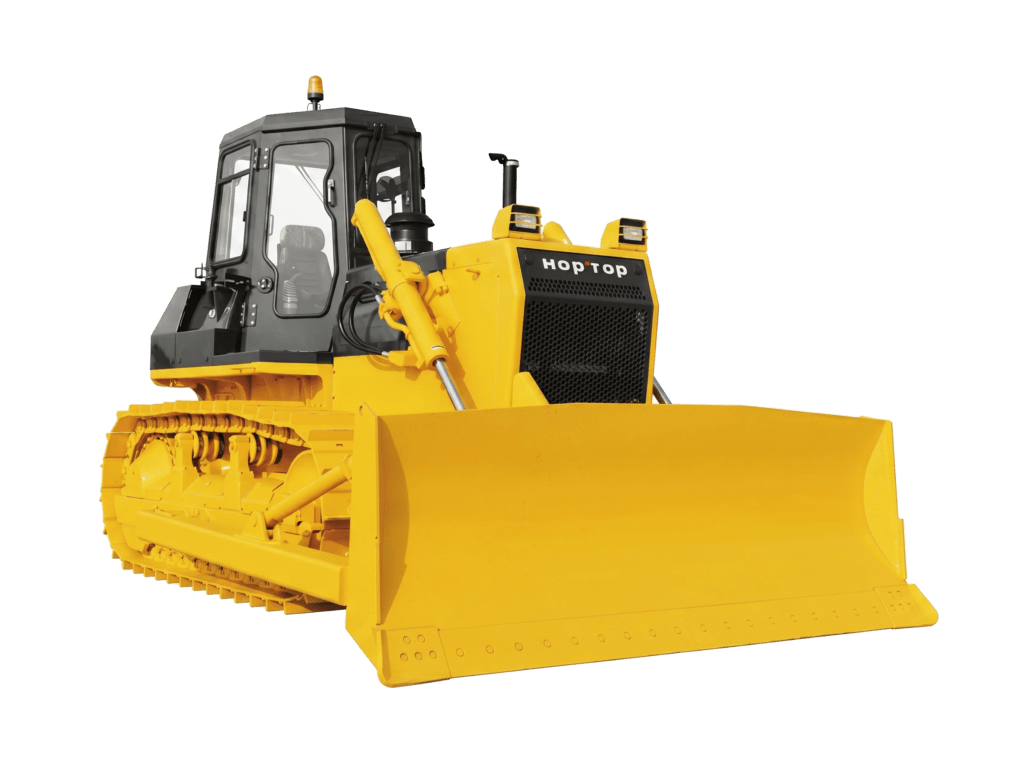
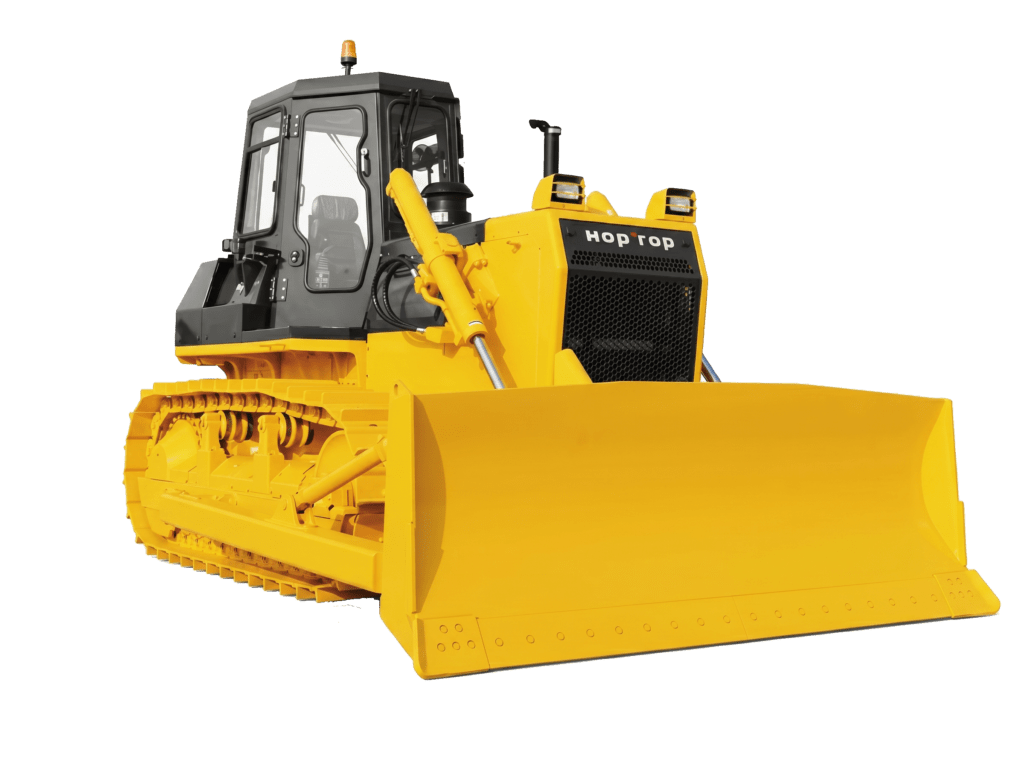
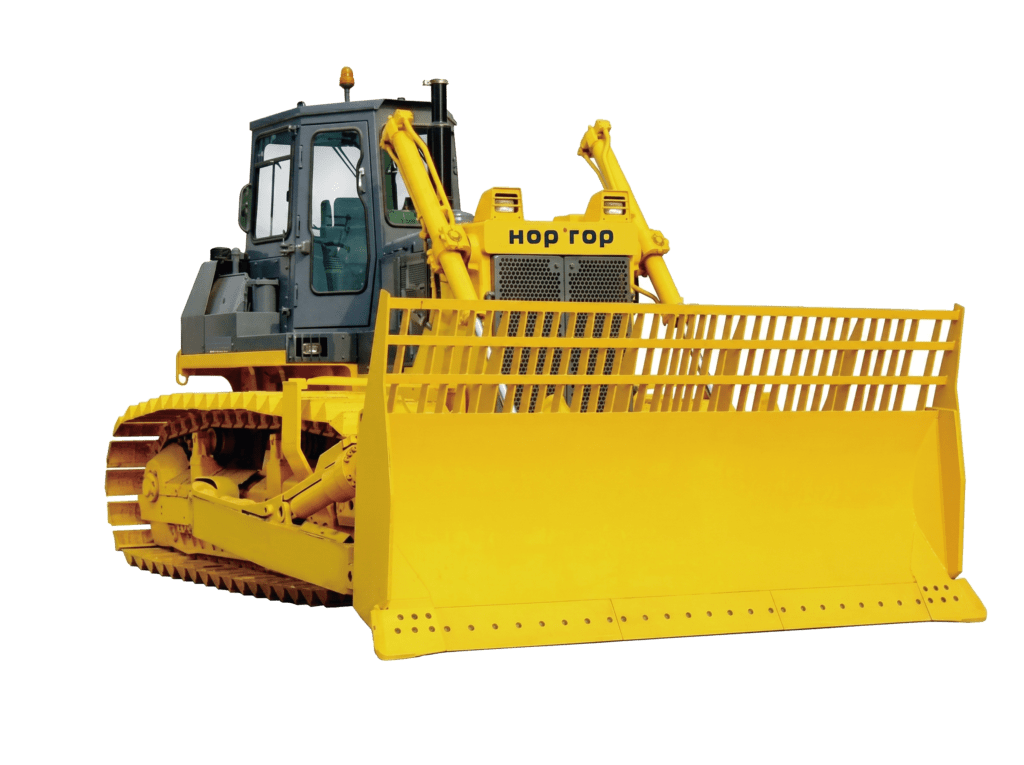
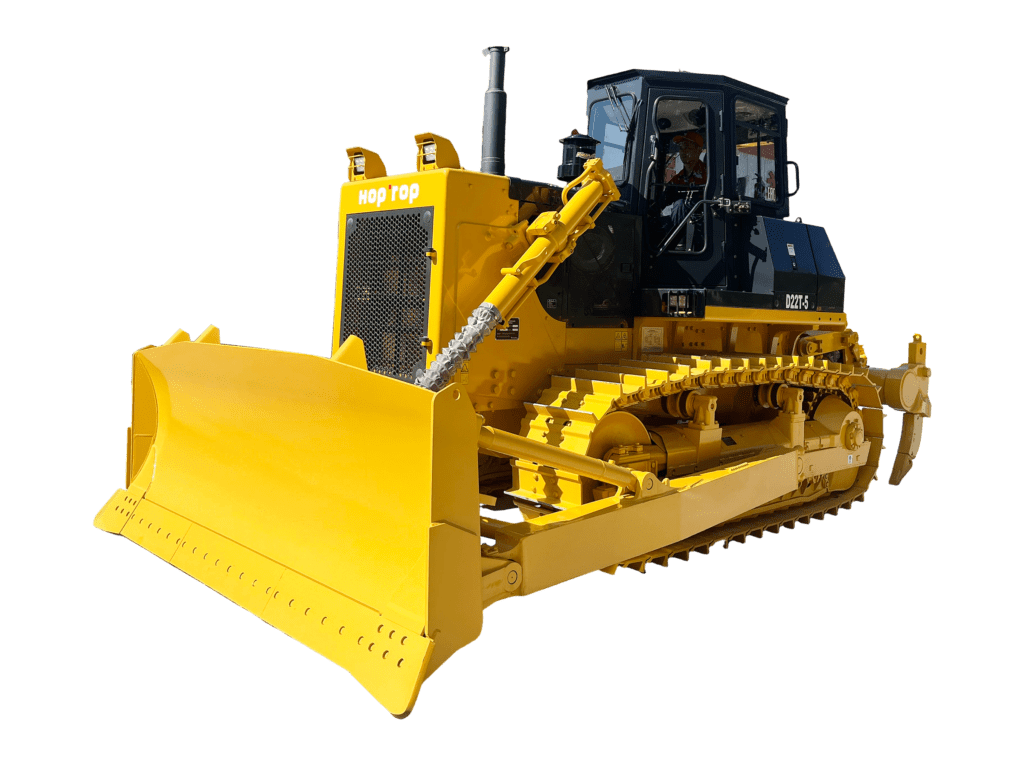
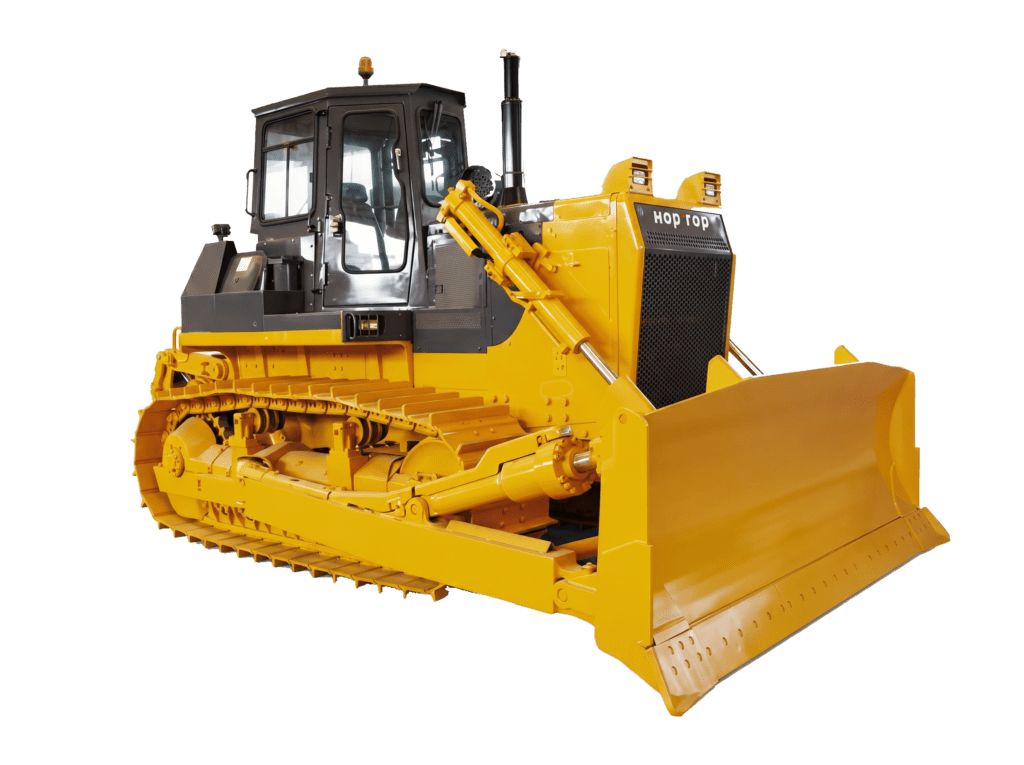
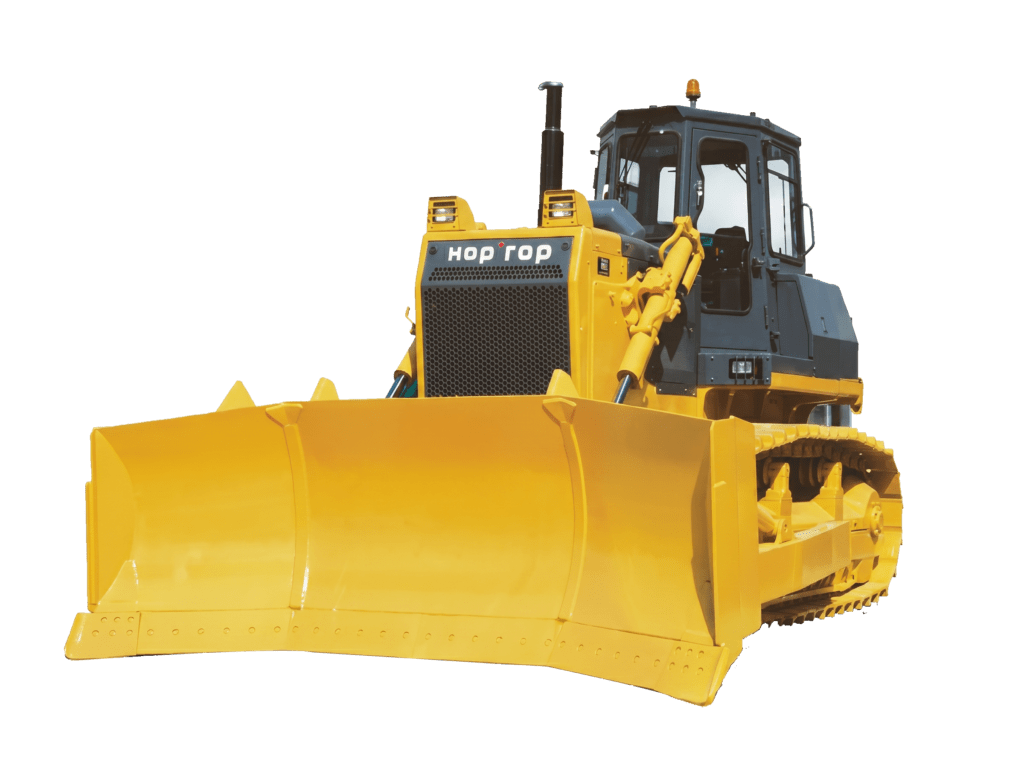
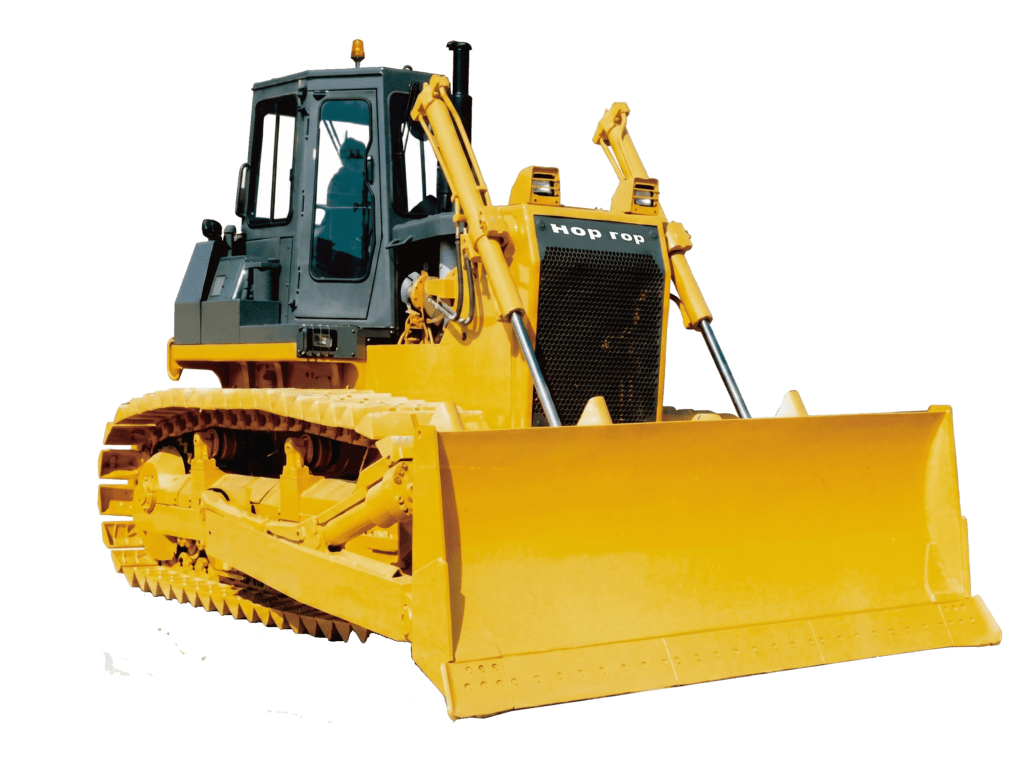
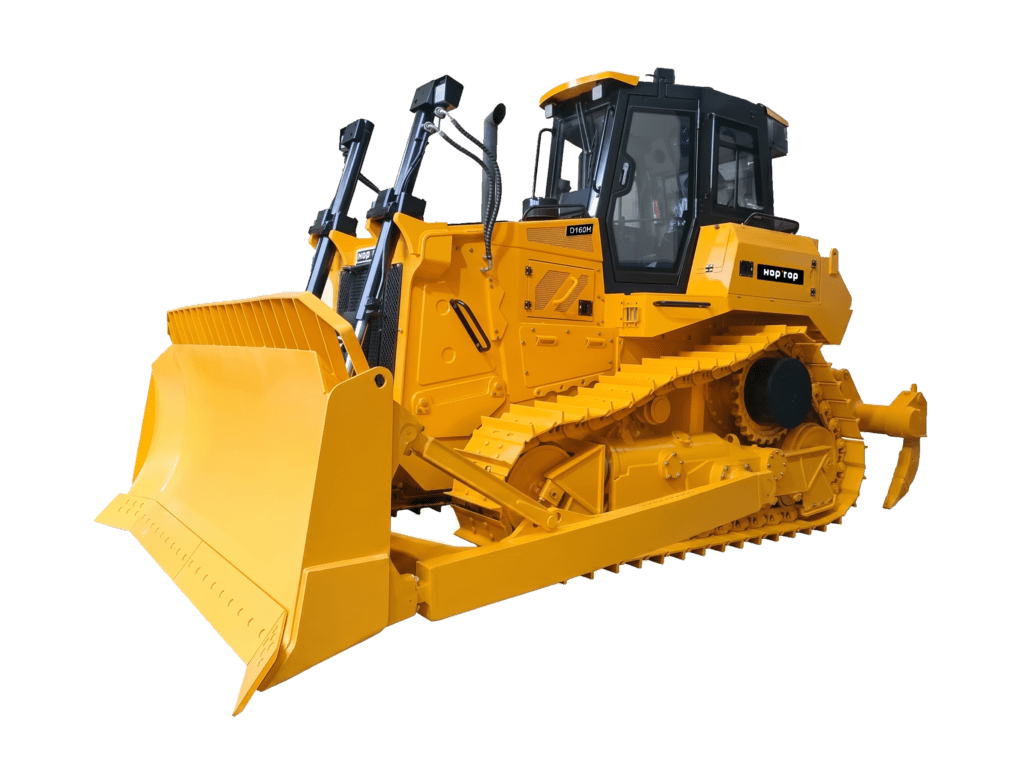
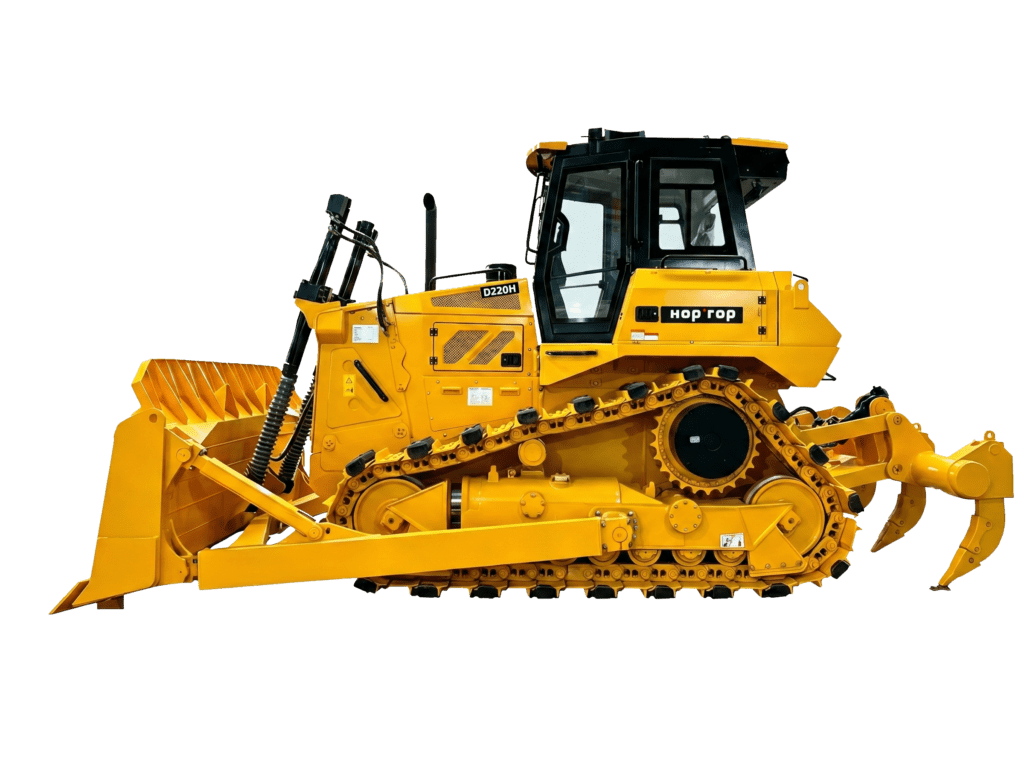
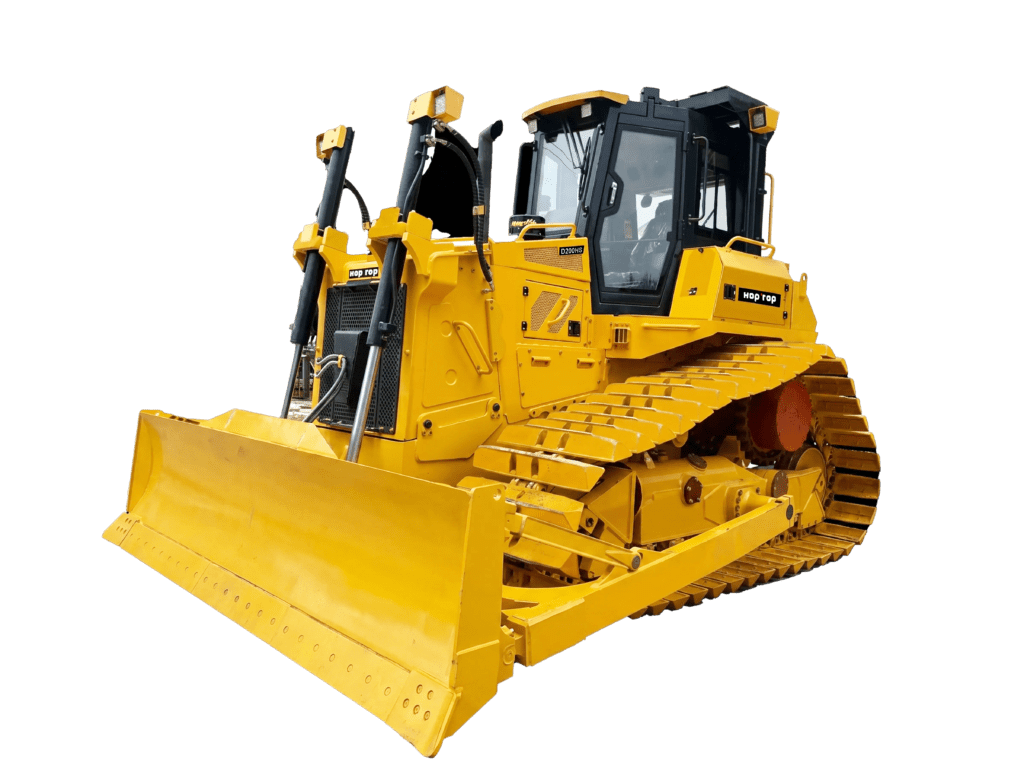
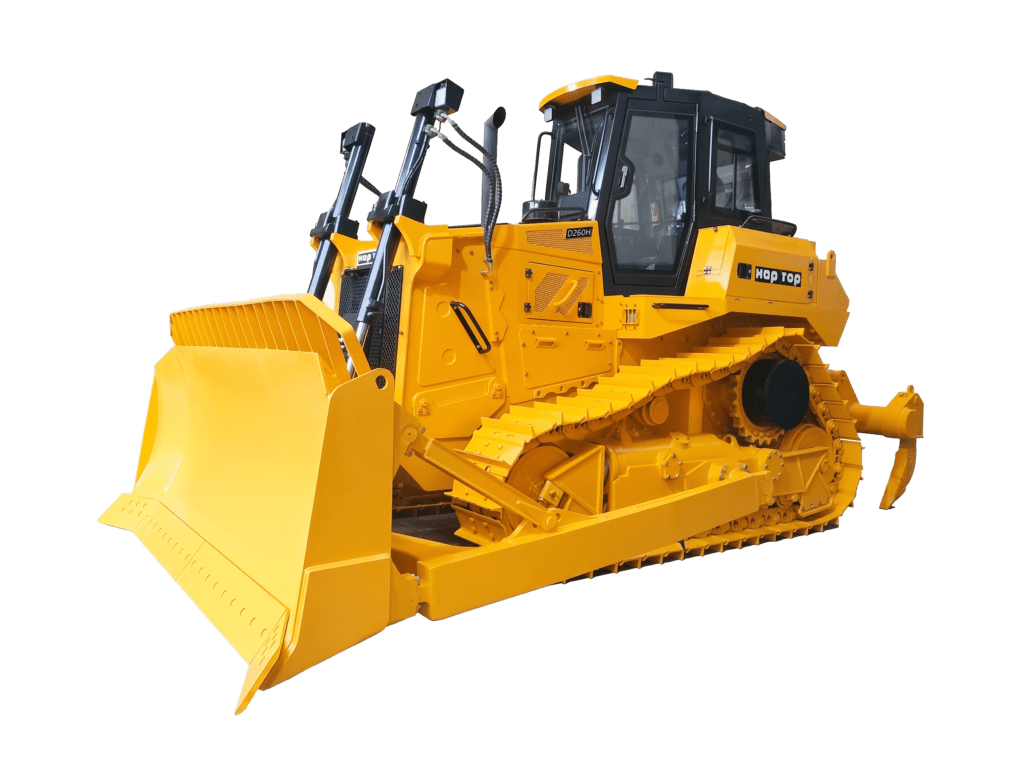
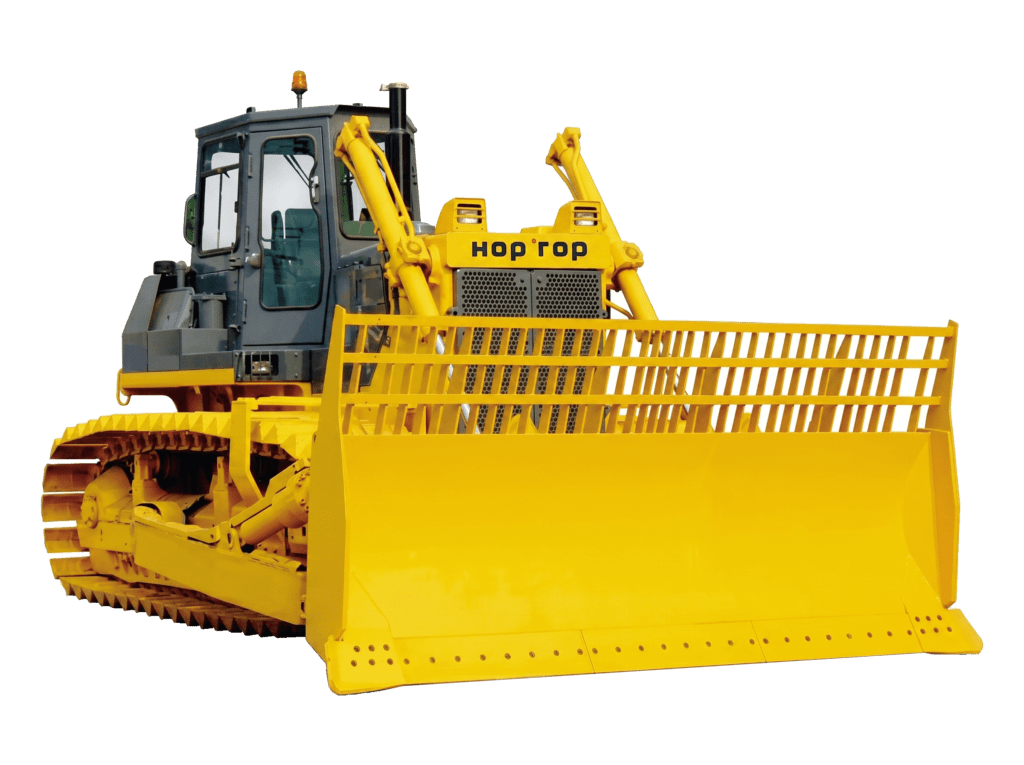
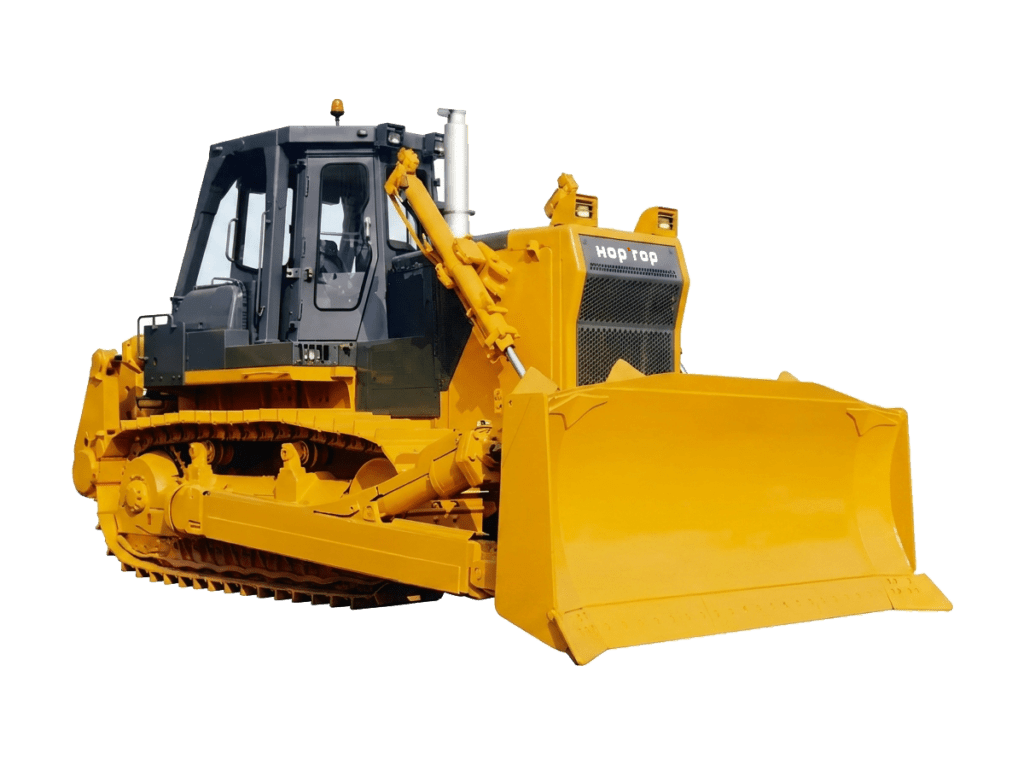
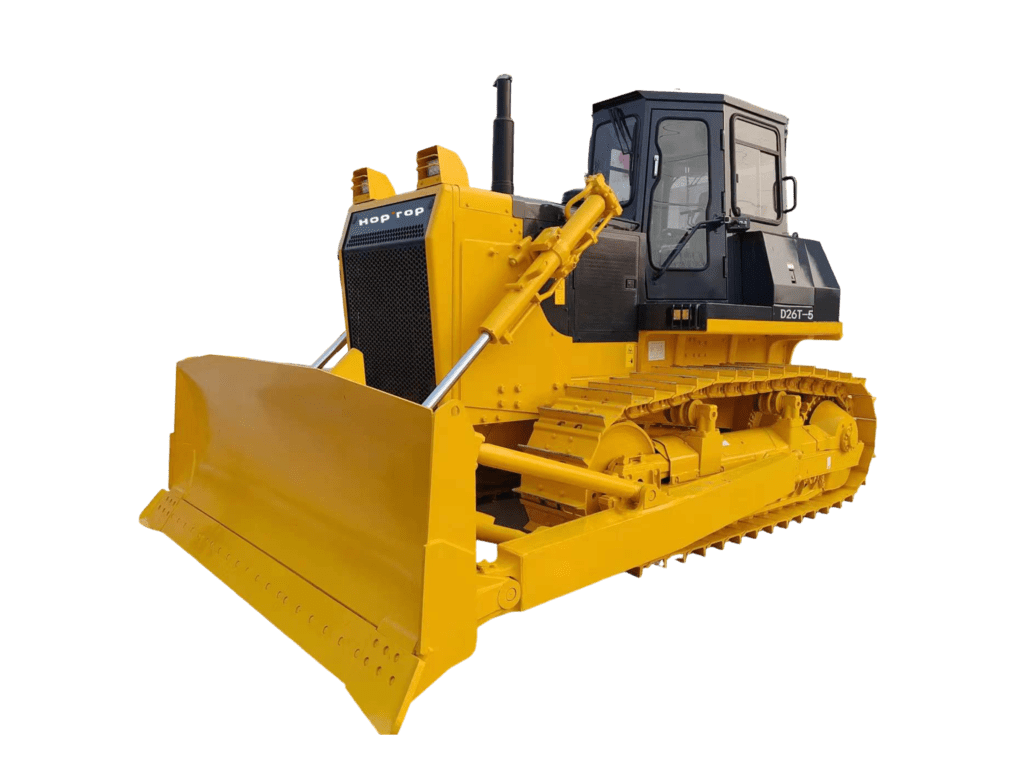
For large-scale mining and heavy earthmoving operations, HOPTOP develops high-performance bulldozers designed to provide strong pushing force and reliable operation.
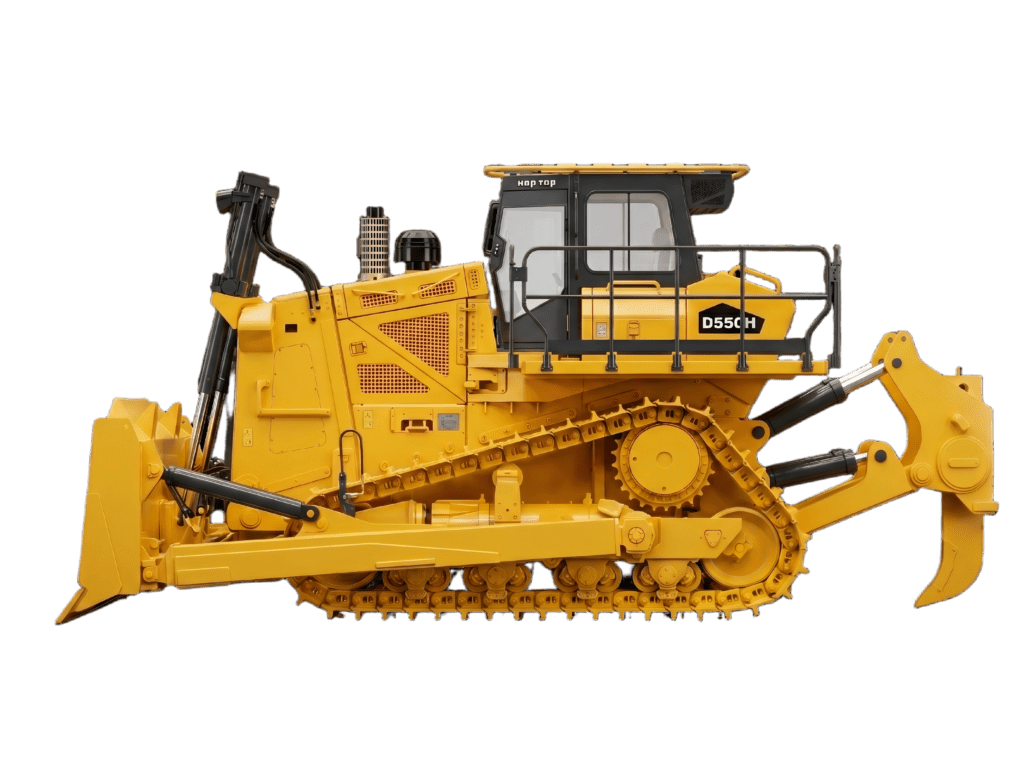
The D550H high-drive hydrostatic bulldozer represents HOPTOP’s approach to heavy-duty applications.
With high horsepower output, advanced transmission technology, and a robust structural design, D550H is developed for demanding environments where productivity and reliability are critical.
Typical applications include:
- Large-scale mining
- Quarry operations
- Heavy earthmoving
- Infrastructure development
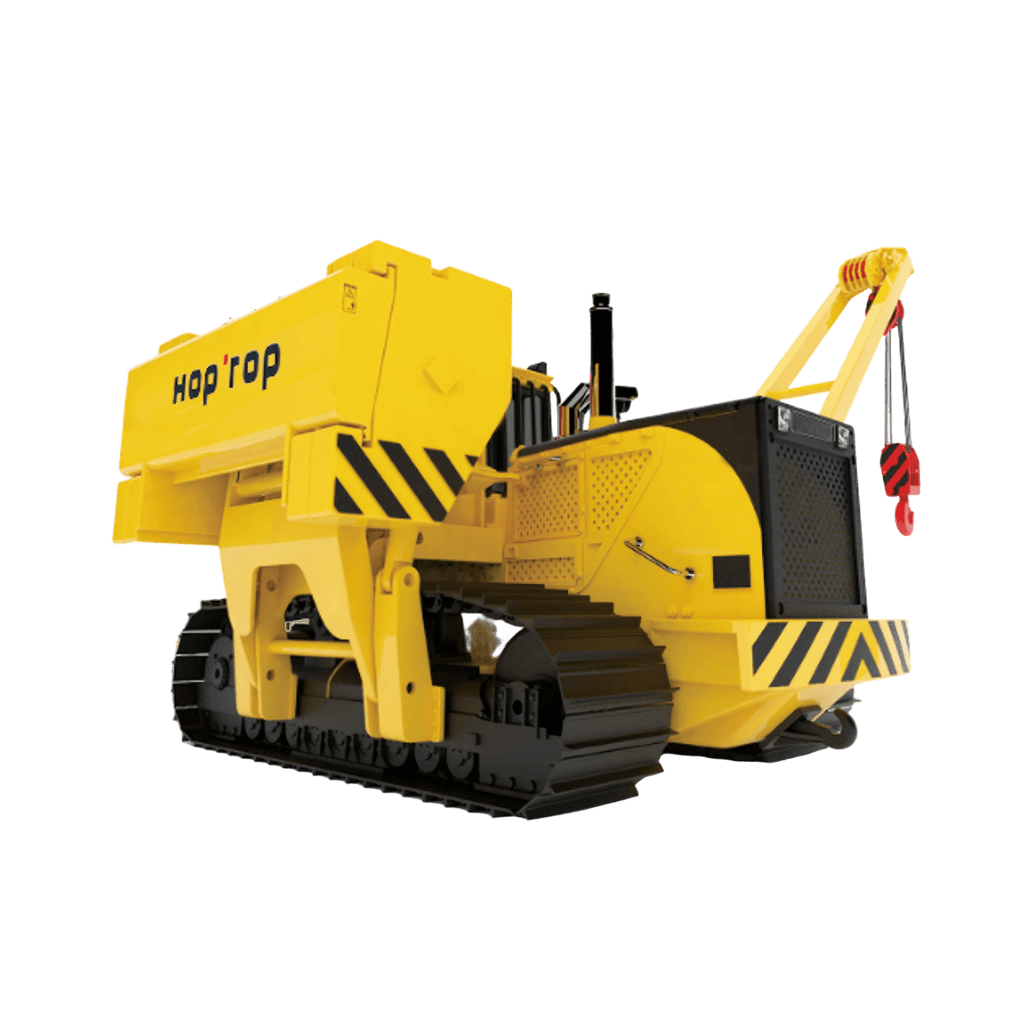
Selecting the Right Bulldozer for Pipeline Construction
Unique Requirements of Pipeline Projects
Pipeline construction presents different challenges compared with mining operations.
A pipeline construction bulldozer must work effectively in:
- Long-distance projects
- Remote areas
- Uneven terrain
- Narrow working corridors
Key requirements include:
Stability on Slopes
Pipeline routes often cross:
- Hills
- Mountains
- Uneven landscapes
A suitable bulldozer should provide stable operation and reliable traction when working on slopes.
Precise Control
Pipeline projects require controlled earthmoving operations, including:
- Right-of-way preparation
- Soil management
- Route maintenance
Smooth power delivery and precise machine control help operators work more efficiently.
Adaptability to Remote Conditions
Pipeline construction sites are usually far from urban areas.
Equipment reliability becomes especially important because:
- Repair access may be limited
- Downtime can significantly affect project schedules
A dependable pipeline construction bulldozer should be designed for long-term operation in challenging environments.
Bulldozers for Land Reclamation and Large-Scale Earthmoving
What Is Land Reclamation?
Land reclamation involves transforming undeveloped, damaged, or unused land into productive areas.
Common applications include:
- Mining land restoration
- Agricultural development
- Forestry projects
- Industrial site preparation
- Terrain modification
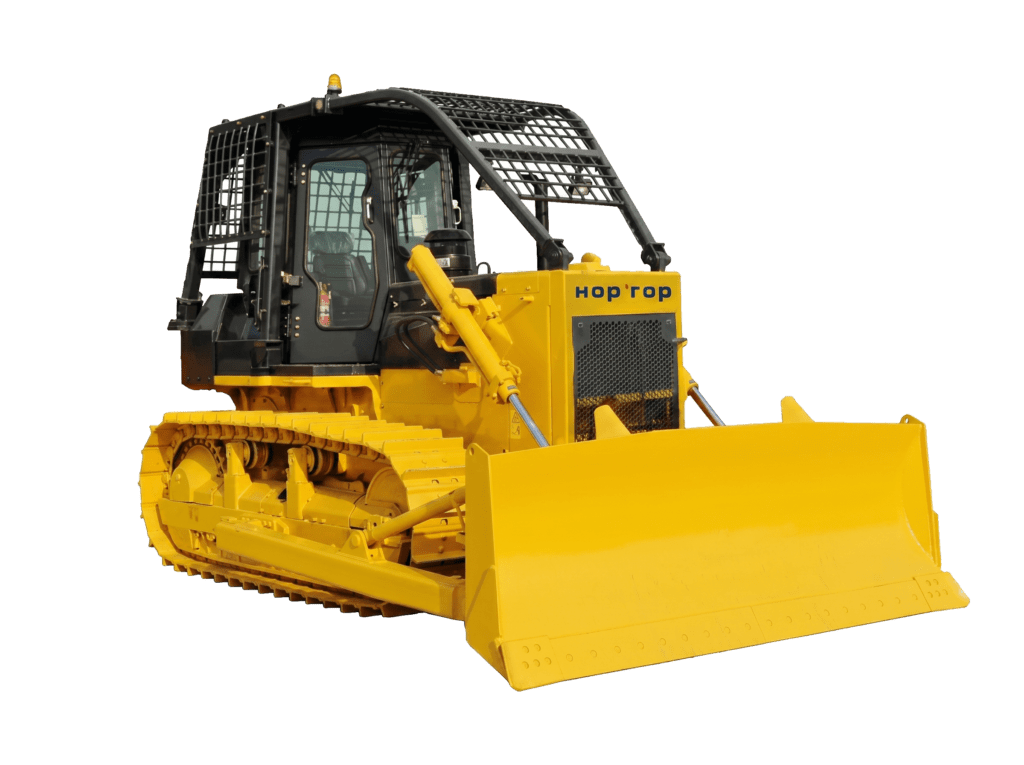
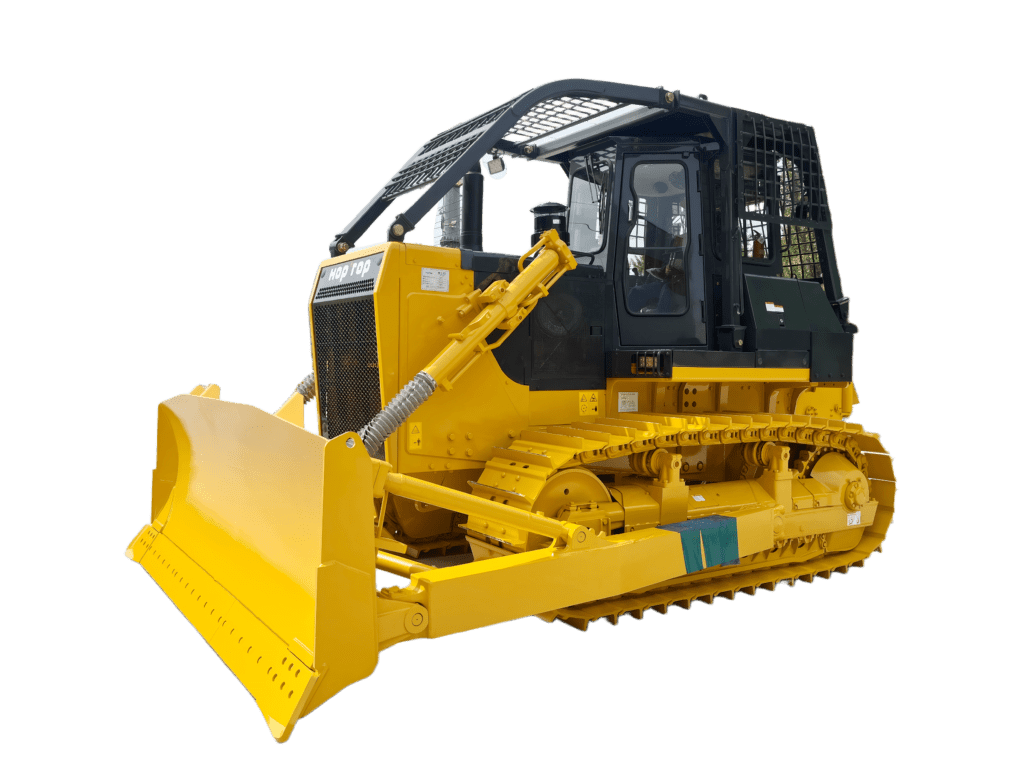
A land reclamation bulldozer needs strong versatility because working conditions can change significantly throughout a project. And equipments for related applications are currently under development; please feel free to keep an eye on our company’s product update progress.
Key Performance Requirements
Important factors include:
Powerful Earthmoving Capability
Large amounts of soil and material often need to be:
- Pushed
- Spread
- Leveled
- Reshaped
Flexible Operation
Land reclamation projects may involve different terrains and materials.
Equipment should maintain reliable performance across:
- Soft soil
- Sloped terrain
- Mixed ground conditions
Long-Term Reliability
Reclamation projects often last for months or years.
Durable components and easy maintenance are essential for reducing operating interruptions.
Hydrostatic vs Hydro-Mechanical Bulldozers: Which One Fits Your Project?
The transmission system is one of the most important factors when selecting a modern bulldozer.
Two common categories are:
Understanding their differences helps customers select the right machine for their applications.
| Feature | Hydrostatic Bulldozer | Hydro-Mechanical Bulldozer |
|---|---|---|
| Power transmission | Hydraulic drive system | Mechanical + hydraulic combination |
| Control response | Smooth and precise | Strong and reliable |
| Operation flexibility | Excellent for variable working conditions | Effective for heavy-duty general applications |
| Efficiency management | Optimized power distribution | Proven mechanical efficiency |
| Typical applications | Mining, slope work, precision earthmoving | Construction, earthmoving, general heavy work |
Advantages of Hydrostatic Bulldozers
Modern hydrostatic bulldozers provide several benefits:
Smooth Power Control
Hydrostatic transmission allows operators to adjust machine movement more precisely.
This is especially valuable for:
- Slope operations
- Complex terrain
- Precision earthmoving
Improved Operating Efficiency
The system can distribute power according to working conditions, helping maintain efficient operation.
Enhanced Operator Control
Smooth speed adjustment improves:
- Maneuverability
- Working accuracy
- Operator experience
Why High-Drive Bulldozers Are Gaining Attention
A high-drive bulldozer features an elevated final drive system that changes the relationship between the powertrain and undercarriage.
Compared with traditional designs, high-drive bulldozers offer advantages such as:
- Improved undercarriage protection
- Better weight distribution
- Enhanced durability in demanding applications
These characteristics make high-drive bulldozers especially suitable for:
- Mining operations
- Large-scale earthmoving
- Extreme working environments
For customers looking for a heavy-duty bulldozer for mining applications, high-drive technology represents an important development direction.
How to Choose the Right Bulldozer Manufacturer
Selecting the machine is only one part of the purchasing decision.
Choosing a reliable bulldozer manufacturer is equally important.
Key evaluation factors include:
Engineering and R&D Capability
A professional manufacturer should have:
- Product development experience
- Technical innovation capability
- Understanding of different application requirements
Manufacturing Quality
Heavy equipment requires strict quality management.
Important areas include:
- Structural components
- Hydraulic systems
- Transmission systems
- Assembly processes
Global Application Experience
Different markets have different requirements.
A reliable manufacturer should understand:
- Regional working conditions
- Customer expectations
- Service requirements
Long-Term Technical Support
After-sales support is essential for heavy machinery.
Professional support includes:
- Spare parts availability
- Technical consultation
- Maintenance guidance
- Application support
HOPTOP: Professional Bulldozer Manufacturer for Global Heavy-Duty Applications
HOPTOP specializes in the research, development, and manufacturing of bulldozers designed for demanding applications.
With a focus on performance, reliability, and application-oriented engineering, HOPTOP provides bulldozer solutions for:
- Mining operations
- Pipeline construction
- Land reclamation
- Infrastructure projects
- Large-scale earthmoving
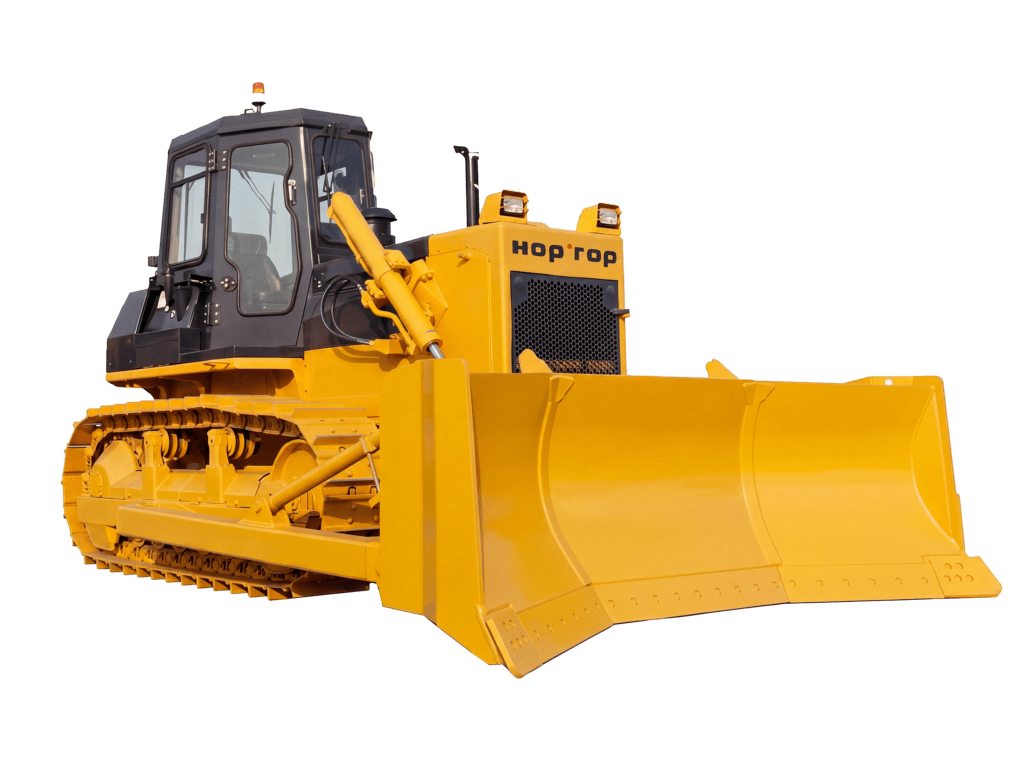
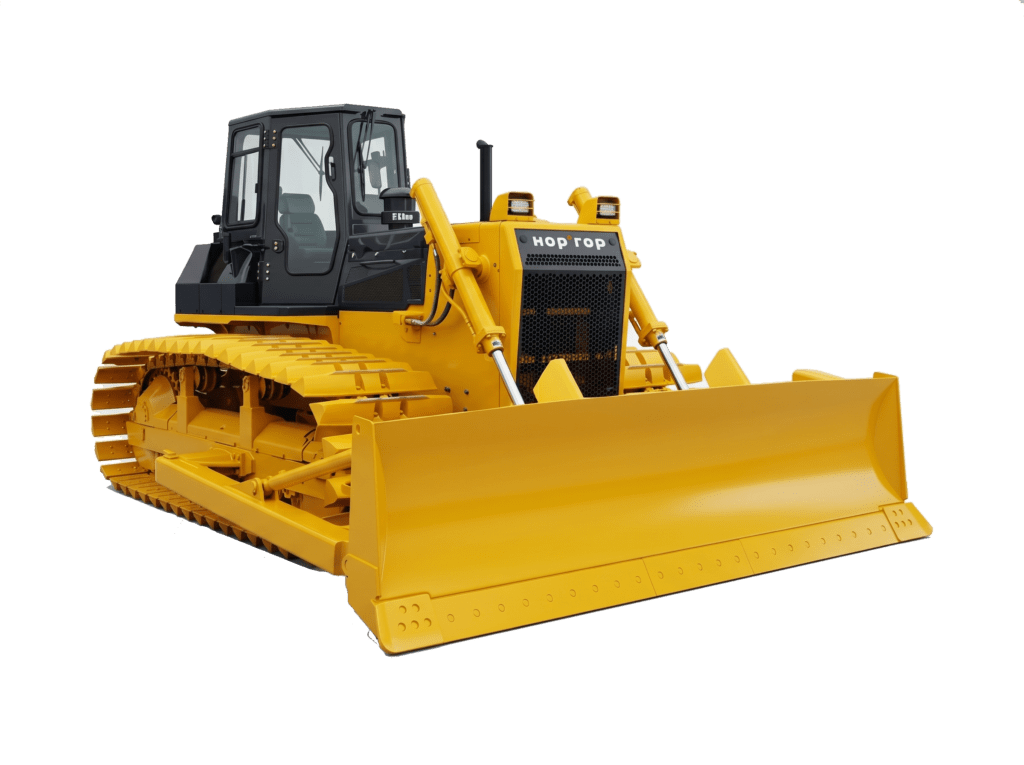
The product portfolio covers different power levels and working requirements, including advanced high-drive hydrostatic bulldozers and heavy-duty models.
By combining engineering experience with continuous product development, HOPTOP aims to provide reliable bulldozer solutions for customers worldwide.
Conclusion: Selecting the Right Bulldozer Creates Long-Term Value
A bulldozer is not simply a machine for pushing material. It is a critical productivity tool that directly affects project efficiency, operating costs, and overall success.
Whether working in mining, pipeline construction, or land reclamation, choosing the correct bulldozer requires careful evaluation of:
- Application requirements
- Machine power
- Transmission technology
- Durability
- Manufacturer capability
For companies seeking reliable heavy-duty equipment, partnering with an experienced bulldozer manufacturer can provide long-term operational advantages.
Frequently Asked Questions
What size bulldozer is best for mining?
Mining operations usually require medium to large bulldozers with high horsepower, strong traction, and durable undercarriage systems. The ideal size depends on mine scale, material conditions, and workload requirements.
What is a high-drive bulldozer?
A high-drive bulldozer uses an elevated final drive system designed to improve undercarriage durability, powertrain protection, and performance in demanding applications.
Are hydrostatic bulldozers better for heavy-duty applications?
Hydrostatic bulldozers provide smooth power control and excellent maneuverability, making them suitable for applications requiring precision, variable speed control, and operation in challenging terrain.
How do I choose a bulldozer manufacturer?
A reliable bulldozer manufacturer should have strong engineering capability, manufacturing experience, quality control systems, and professional after-sales support.